




Other interesting projects from the category Circular economy
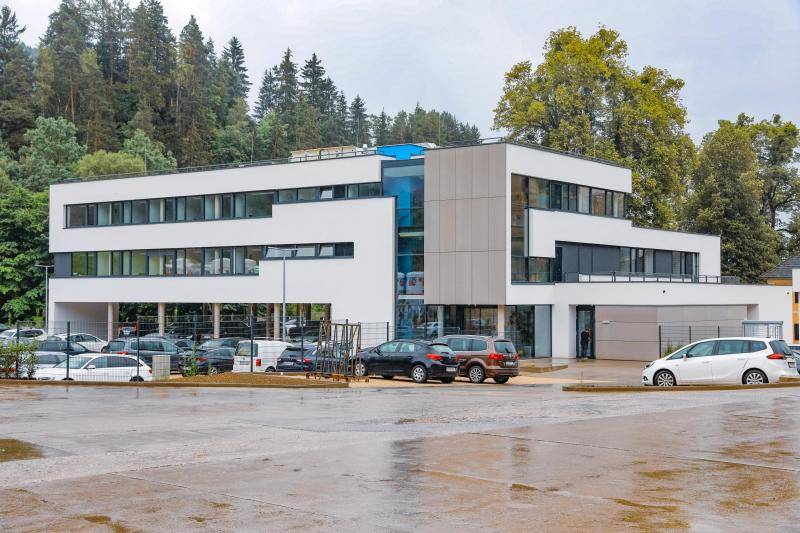
Alpacem Headquarters
With the new Alpacem headquarters, a prime example of the decarbonization of construction was achieved - with CO2-optimized concretes and component ac...

Moringa
In Hamburg's HafenCity, the Moringa residential district is being developed on the northern shore of the Baakenhafen. The complex comprises three buil...
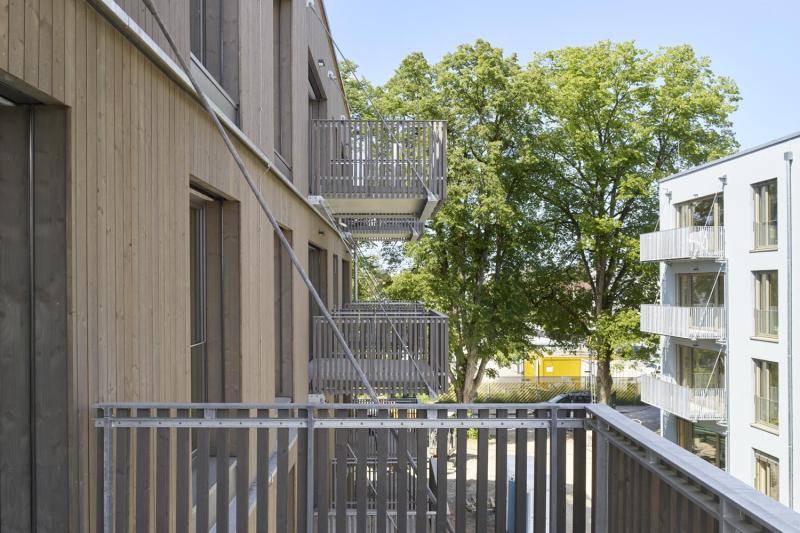
Residential building St. Vincent
On the site of a former nursing school in Wangen, the Vinzenz-Quartier was built in 2024 with a total of 122 residential units in six buildings. Three...
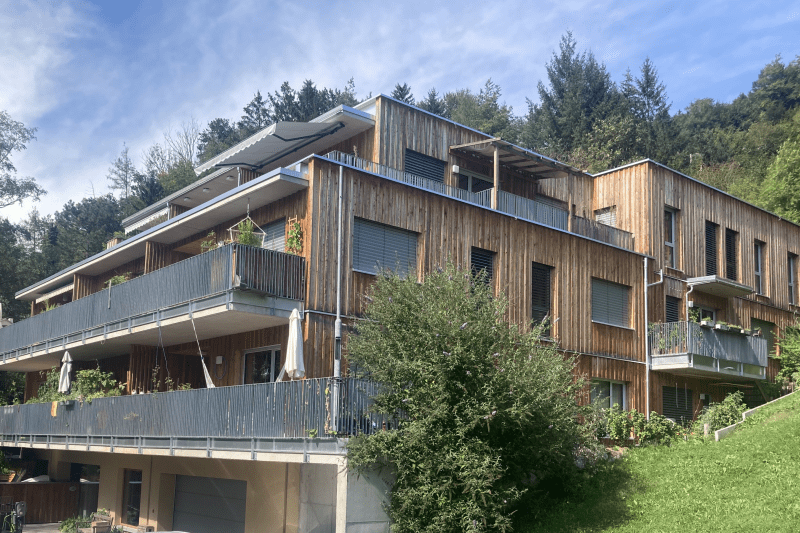
Housing project „GeWoZu“
The GeWoZu project combines 12 individual flats for 20 adults and 13 children in a sustainably built terraced house. The use of recycled materials suc...
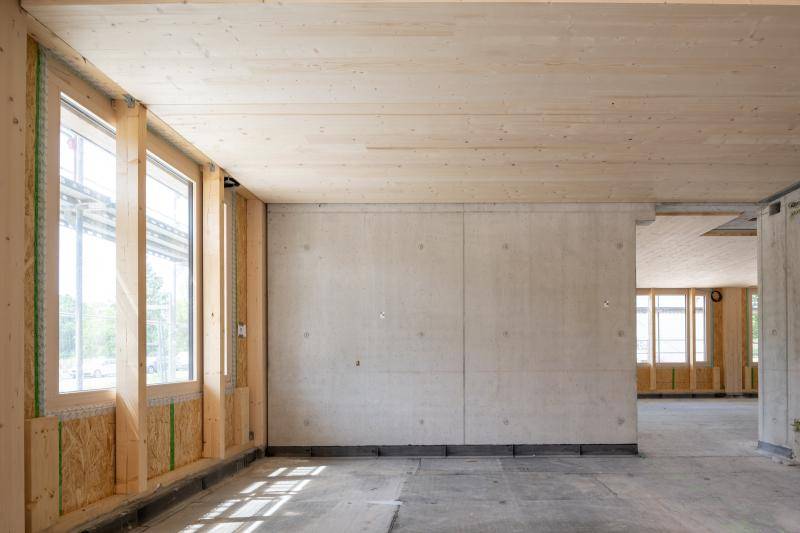
Cube One TU Nürnberg
The first building of the new campus of the Technical University of Nuremberg (UTN), Cube One, has been home to the Executive Board and various depart...
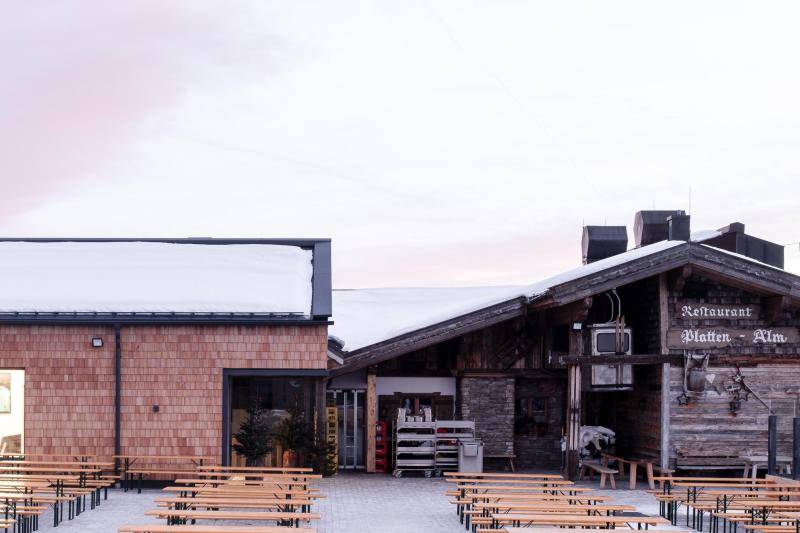
Expansion of the Plattenalm in Krimml
At the Plattenalm in Krimml, a new building is being constructed as an extension for gastronomy, staff housing, and a snow groomer garage. In total, 3...
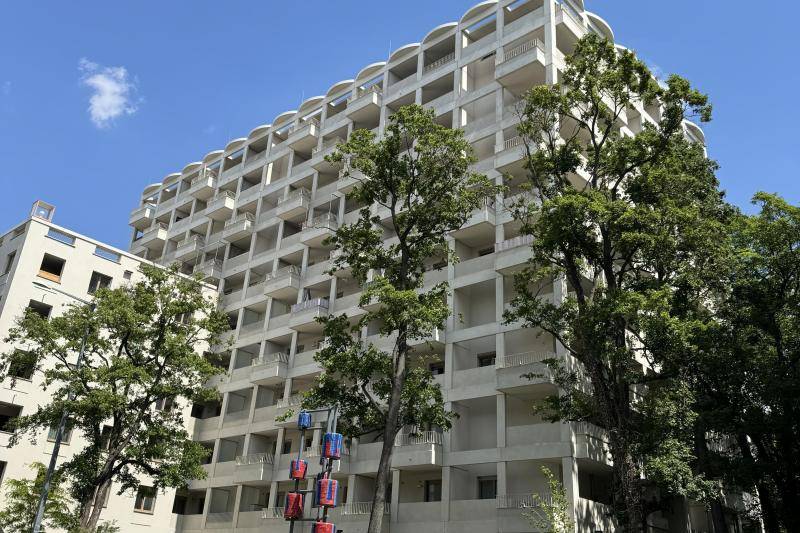
Wohnbau Leyserstrasse
The ‘Rosalie’ residential building in Penzing is part of a neighbourhood development at the Theodor Körner barracks. The barracks park was made access...
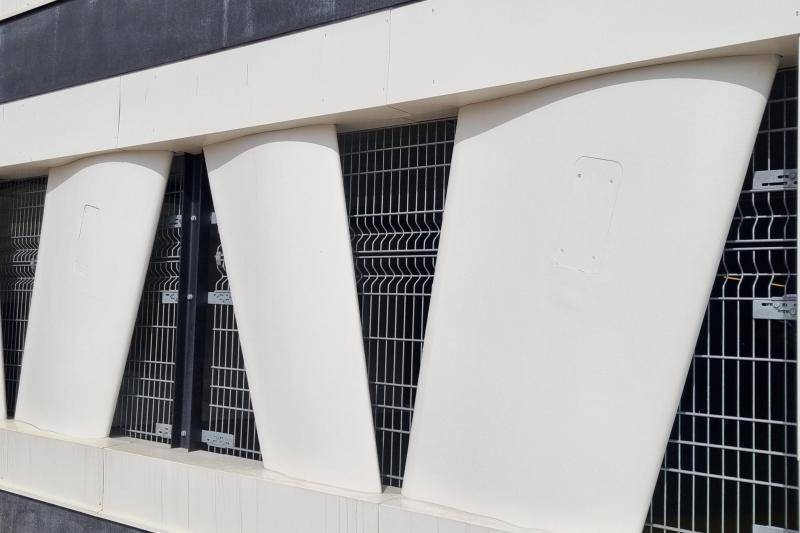
Niels Bohr car park
A new mobility hub opened in late 2025 in Brunnshög, a developing district in Lund, southern Sweden. It gives decommissioned industrial components a s...
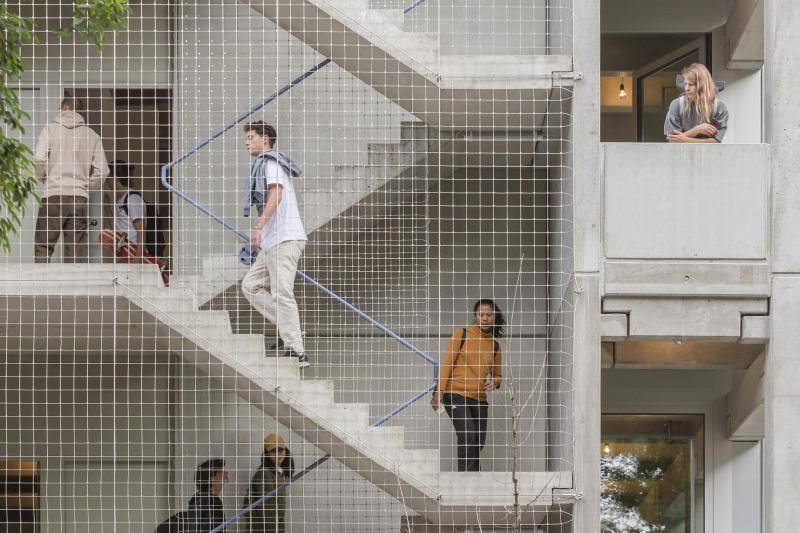
The living shelf
The residential project by architecture firm FAR frohn+rojas in Berlin-Moabit focuses on the circular economy by using durable, reversibly installed p...
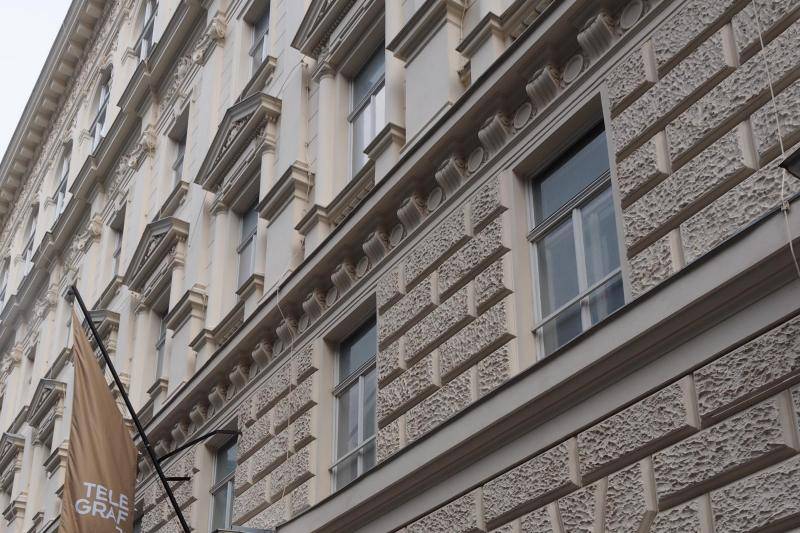
Telegraf 7 Office
Vienna's Lehargasse 7, close to the Naschmarkt, is home to the former telephone exchange of the Imperial and Royal Post and Telegraph Directorate. Pos...
