







Other interesting projects from the category Thermal Activated Building– Efficient heating & cooling
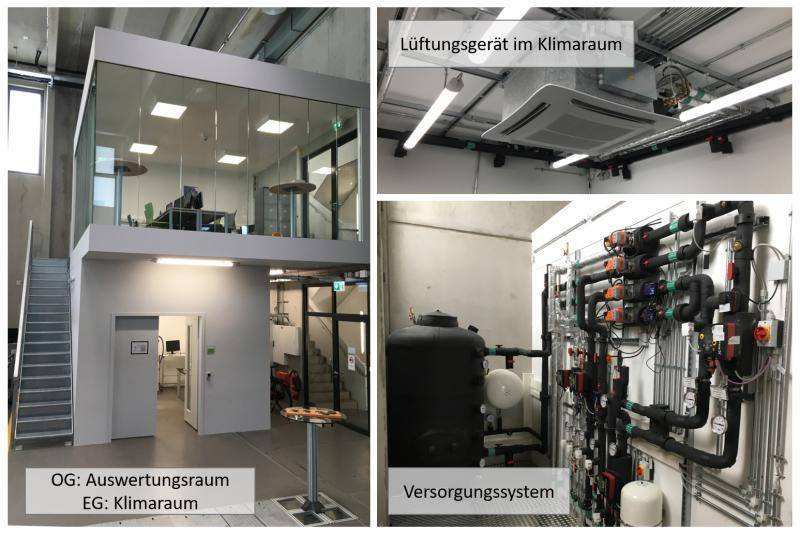
Climatic room
As part of the Copernicus research project "Synergie", a climate room was completed in 2019 in the hall area of the ETA factory (TU Darmstadt), which ...
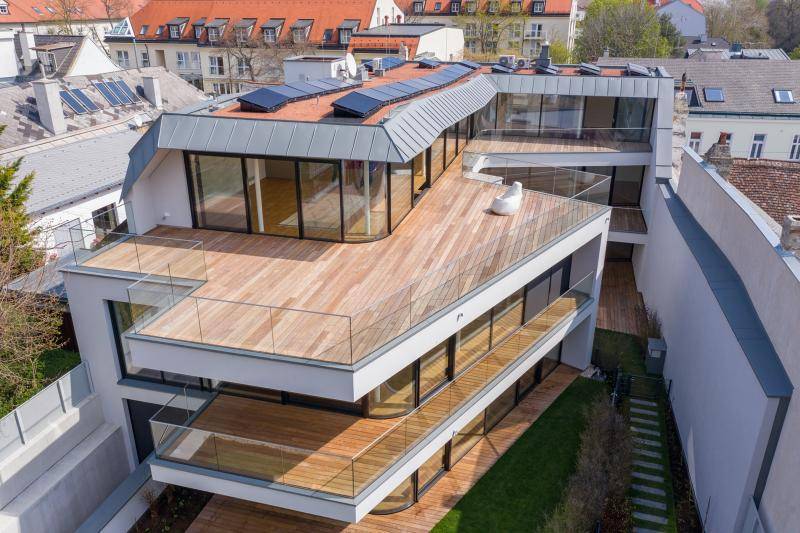
Redevelopment Armbrustergasse
An old residential building was renovated and extended - the special feature here: the flair of the building was preserved, only a look into the backy...
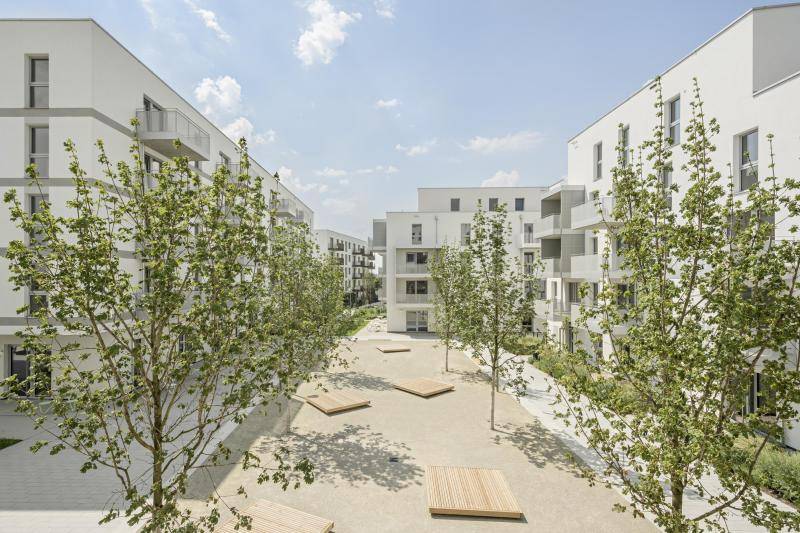
Campo Breitenlee
The Campo Breitenlee “Living Together” project combines social housing with an innovative energy concept based on 100 percent renewable energy. Design...
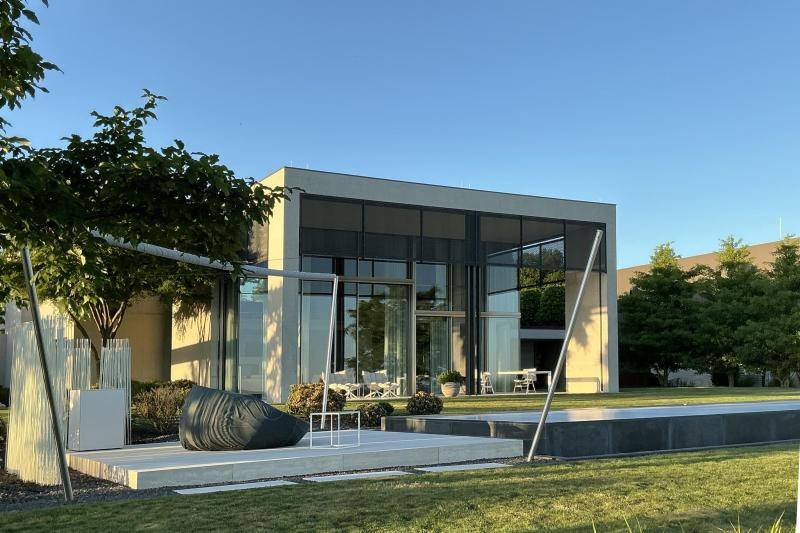
Villa K
An art collector wished for a villa. Architect Peter Todorov was allowed to fulfill his wish. The result is impressive and convinces with its spatial ...
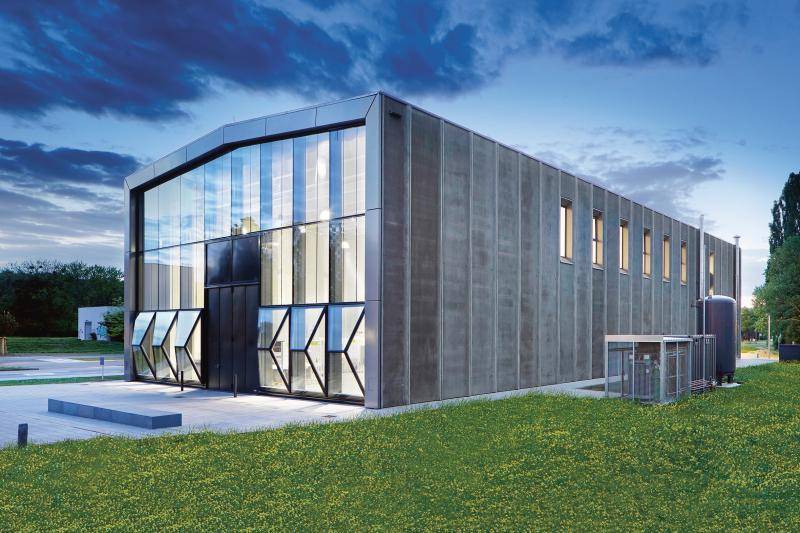
ETA Factory
The ETA factory of TU Darmstadt is located in the Lichtwiese campus and was completed in March 2016. Since then, the model factory has been used in pa...
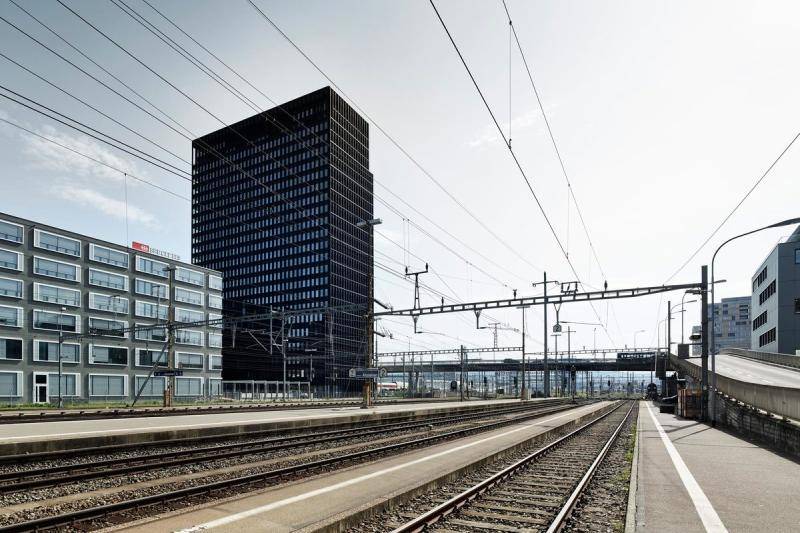
Westlink
New urban spaces have been created on the Westlink site near Zurich-Altstetten railroad station. Their identity is largely determined by the design an...
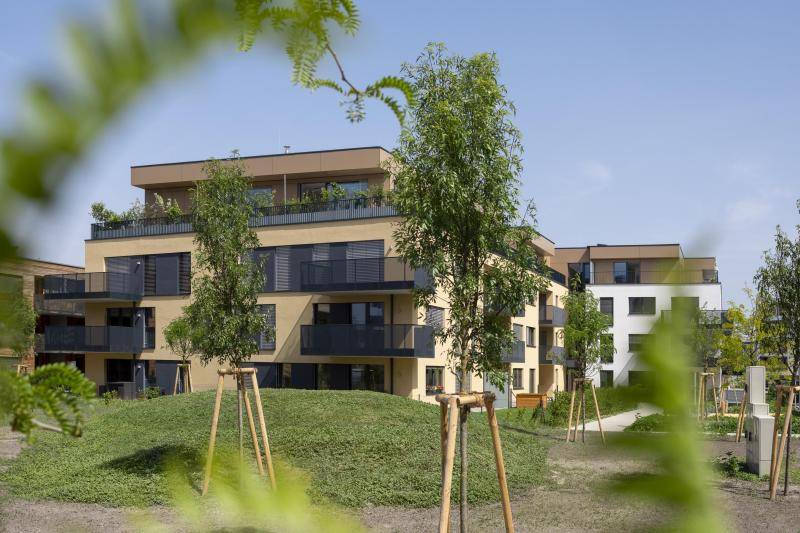
Residential Kugelmanngasse
In the new district area in Vienna's 23rd district, 49 privately financed condominiums were built with building component activation. The developer is...
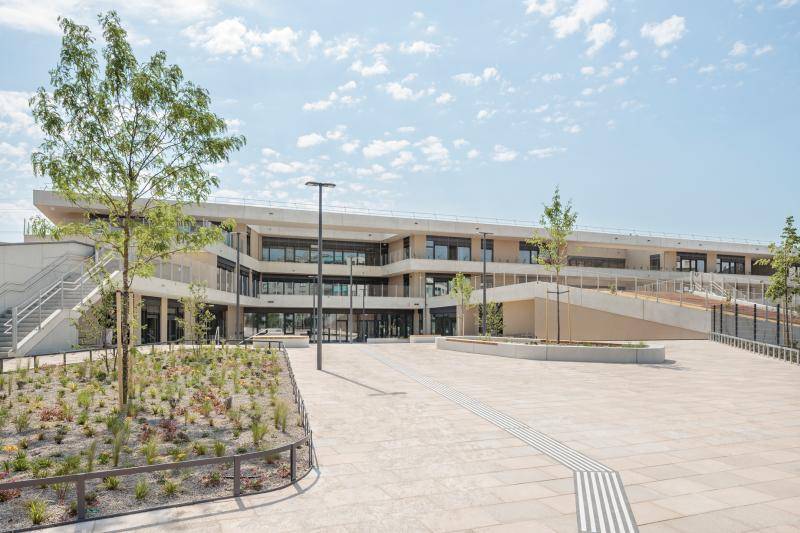
Education campus Heidemarie Lex-Nalis
The campus is an integrated educational institution for children from 0-10 years (in the area of social education up to 16 years), with 12 groups of k...
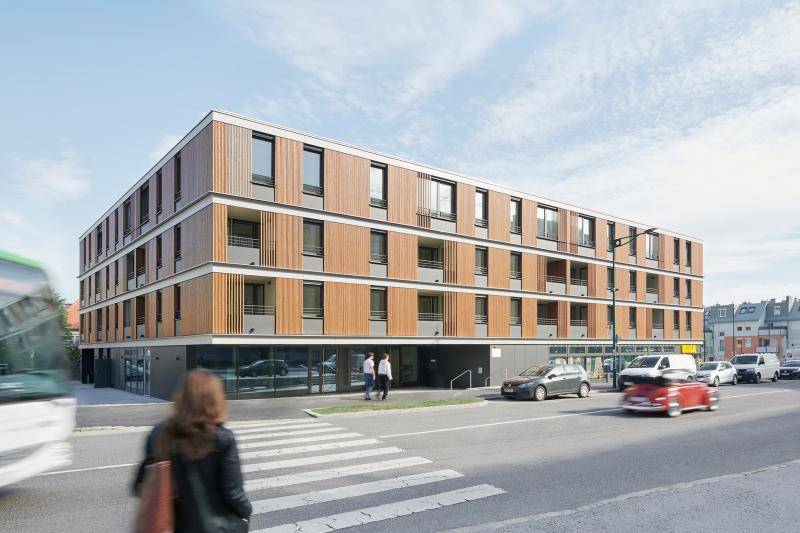
"Living Plus im grünen Mödling"
The senior living facility at Living Plus im Grünen in Mödling is not only technically state-of-the-art. The assisted living concept, which includes b...
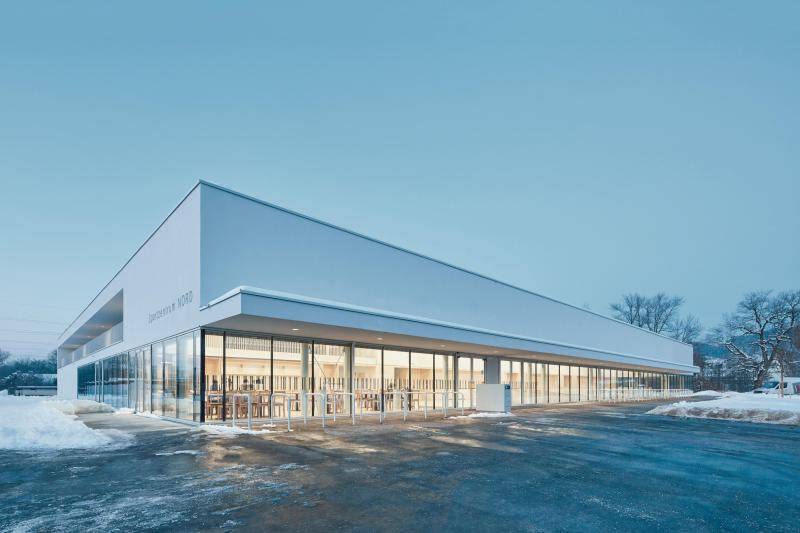
Sports hall Liefering
With the triple sports hall in Liefering, the city of Salzburg has a pilot project regarding Smart City Standard. As a plus-energy building, it was aw...
