
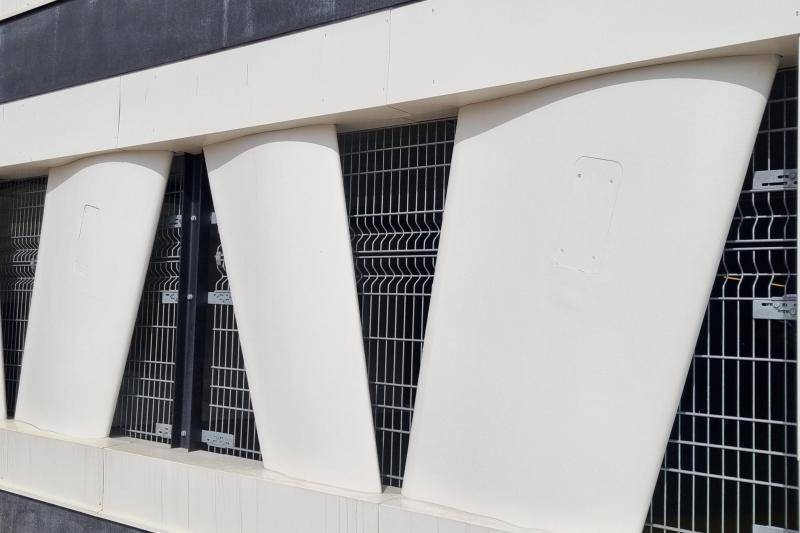
© Lloyd's Arkitektkontor AB



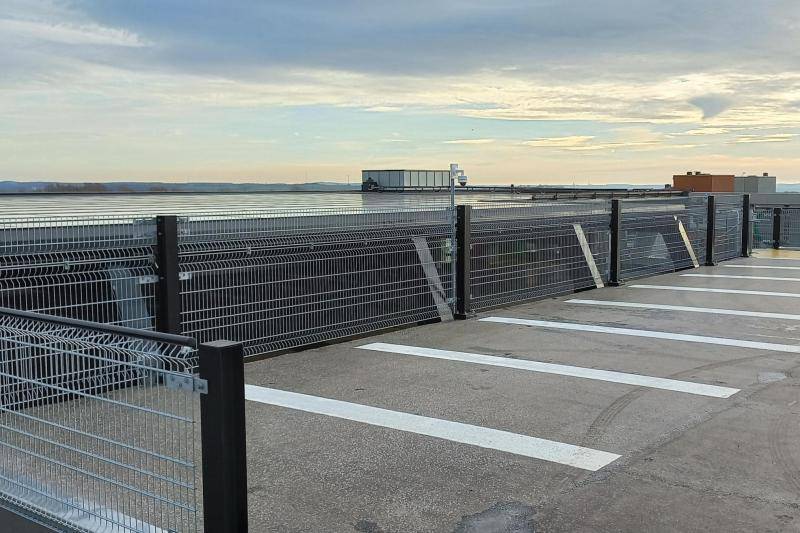
© Lloyd's Arkitektkontor AB
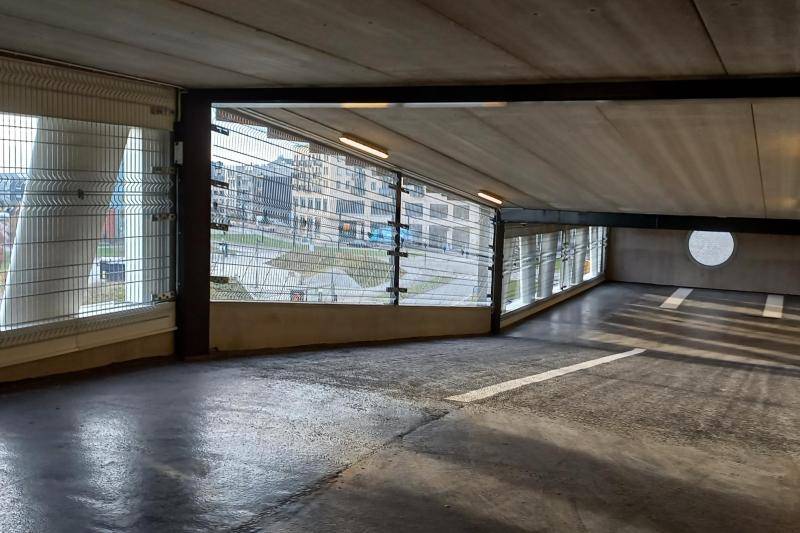
© Lloyd's Arkitektkontor AB
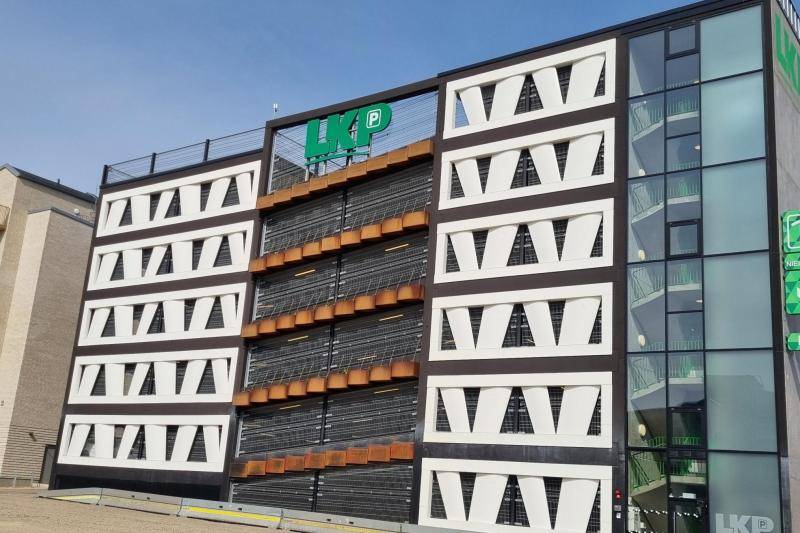
© Lloyd's Arkitektkontor AB
Other interesting projects from the category Circular economy
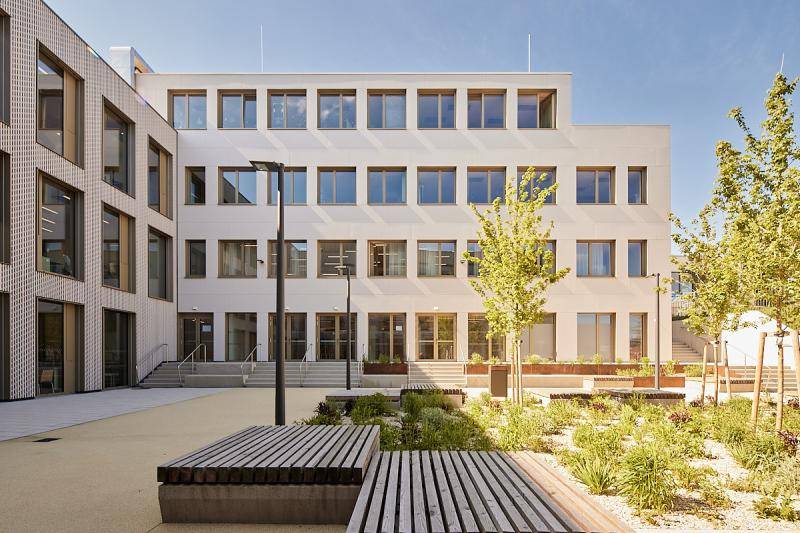
Konrad Lorenz Grammar School
The Konrad-Lorenz-Gymnasium in Gänserndorf, the largest building in the town, was modernised and extended to provide space for 1,000 pupils. A recycle...
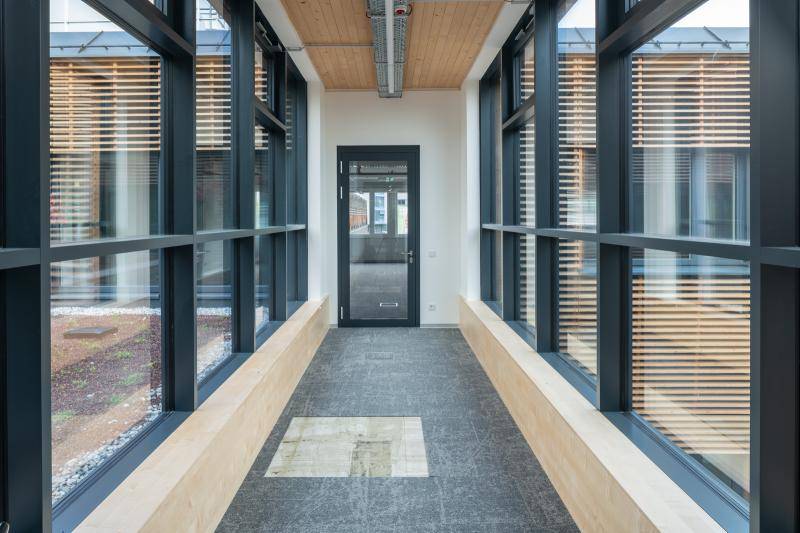
High Tech Campus Villach
The High Tech Campus Villach (HTC) places a strong emphasis on sustainability and the principles of circular economy in its architecture. The building...

Saxony State Exhibition 2020
Temporary Architecture in the Loop: A Re-use Concept for the Exhibition in the Zwickau Audi Hall
For the central exhibition of the 4th Saxon State Ex...
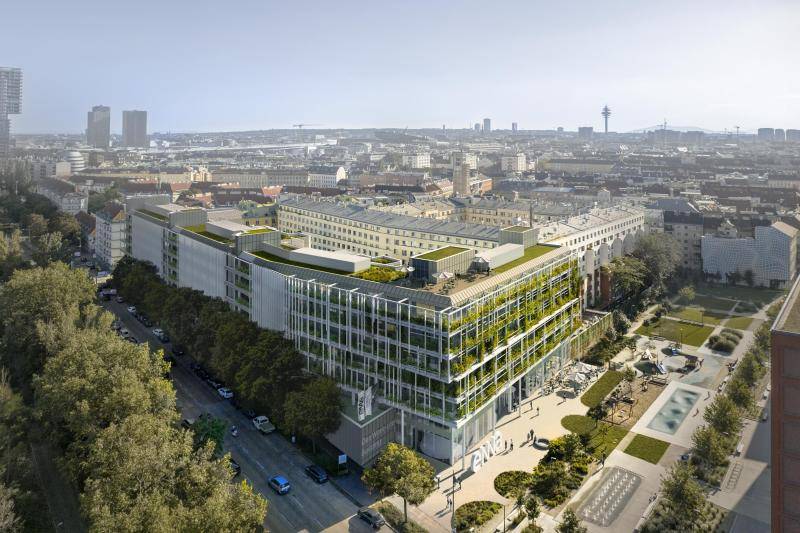
The office building enna
The enna office building on Erdberger Lände in Vienna's 3rd district underwent a comprehensive revitalization. The concrete skeleton structure, design...
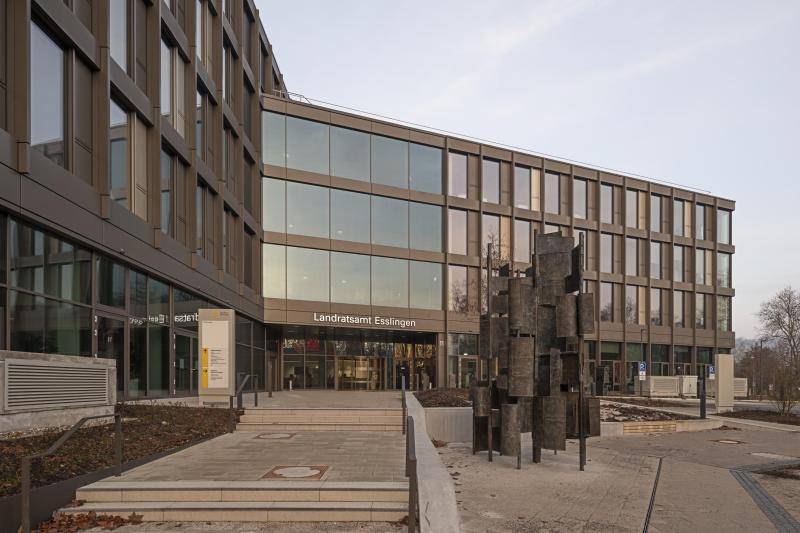
District Office Esslingen
STRABAG subsidiary ZÜBLIN planned and constructed the new Esslingen District Office building on a turnkey basis – as a two-stage pilot project for cir...
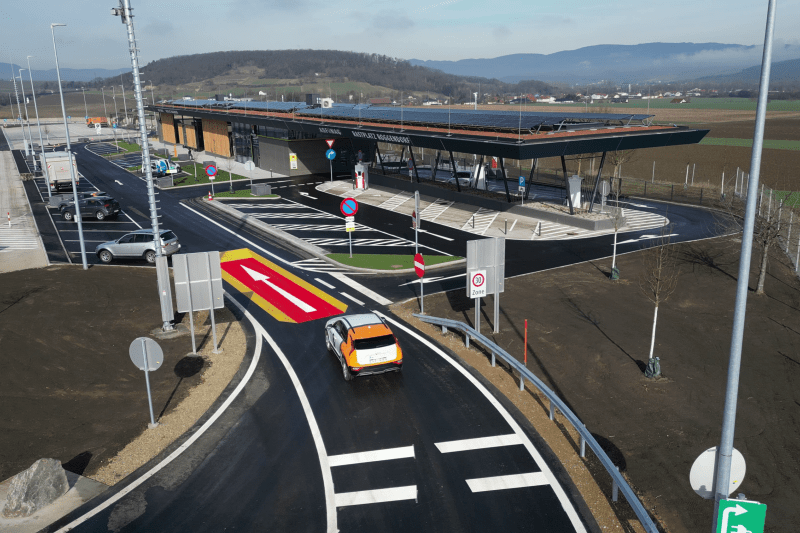
Future-Oriented Rest Area
Between Vienna and Salzburg, the modernised Roggendorf service station is setting an example for the future of transport infrastructure. Here, Afinag ...

Maria Ward Schools Nuremberg
The completed new building in downtown Nuremberg brings together a grammar school (Gymnasium), a secondary school (Realschule), and a primary school u...
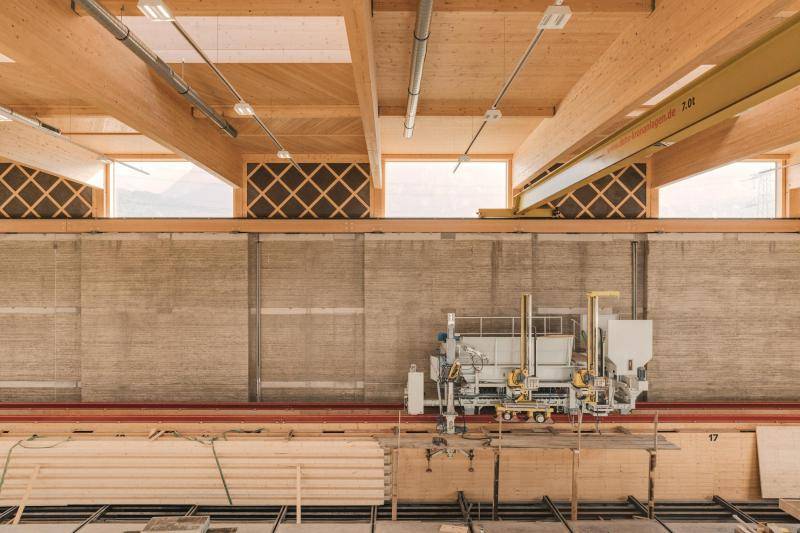
ERDEN factory building
The ERDEN factory building is located in the small municipality of Schlins in Vorarlberg - a pioneering project that was specially designed for the pr...
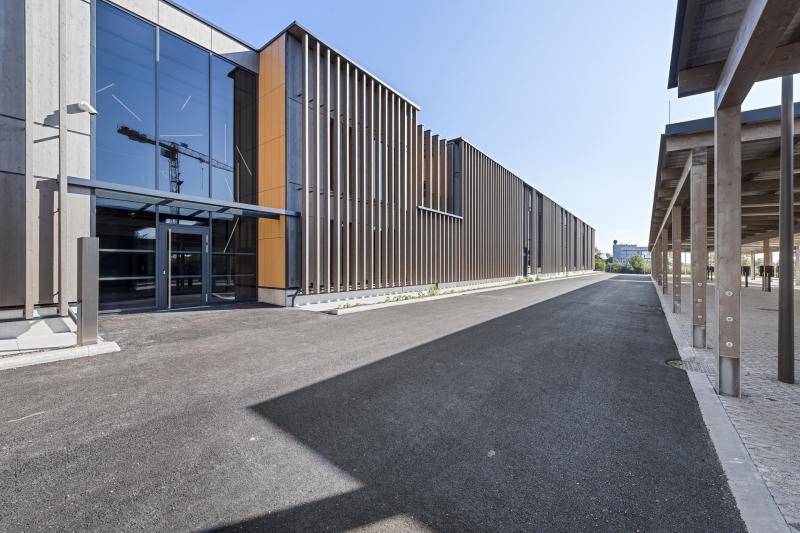
Greenity Gate
The Greenity Gate in Guntramsdorf is a commercial complex from the 1970s that is being transformed into a modern industrial and office hub. Covering a...
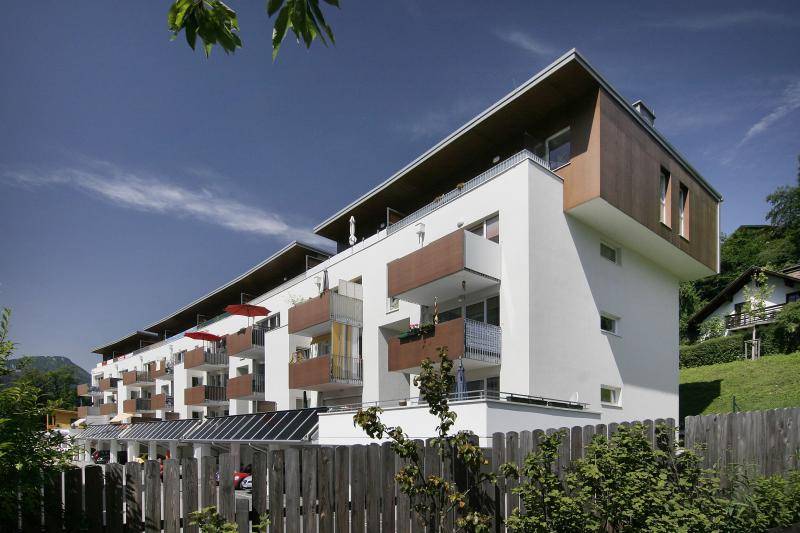
Schönberg estate Schwarzach
Recycled concrete from the demolition of an old office and staff building belonging to the Austrian Federal Forests was used for the new Schönberg hou...
