
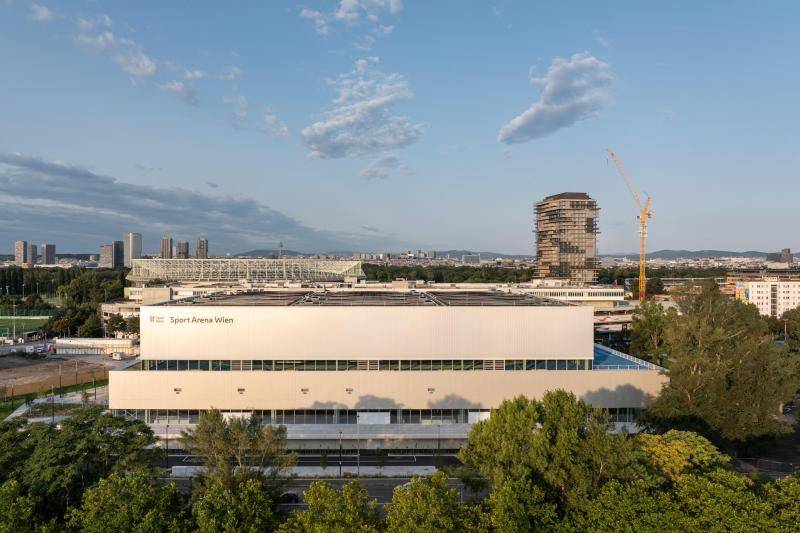






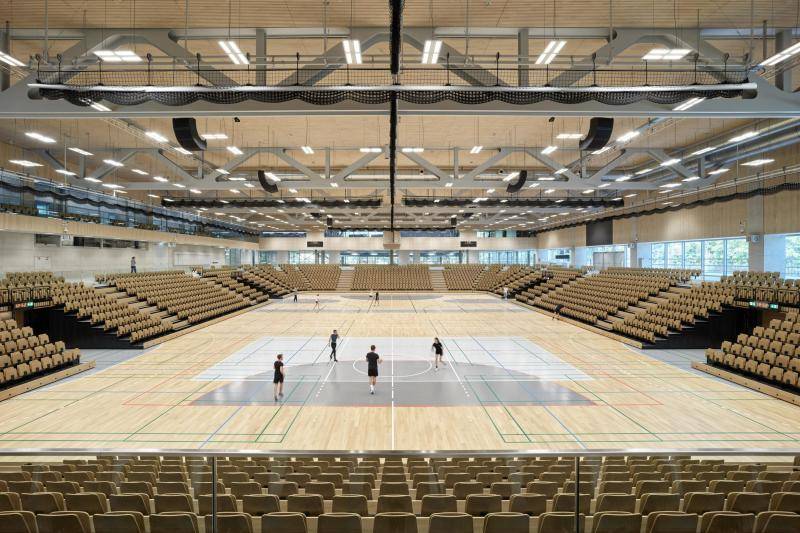
© Kurt Hörbst
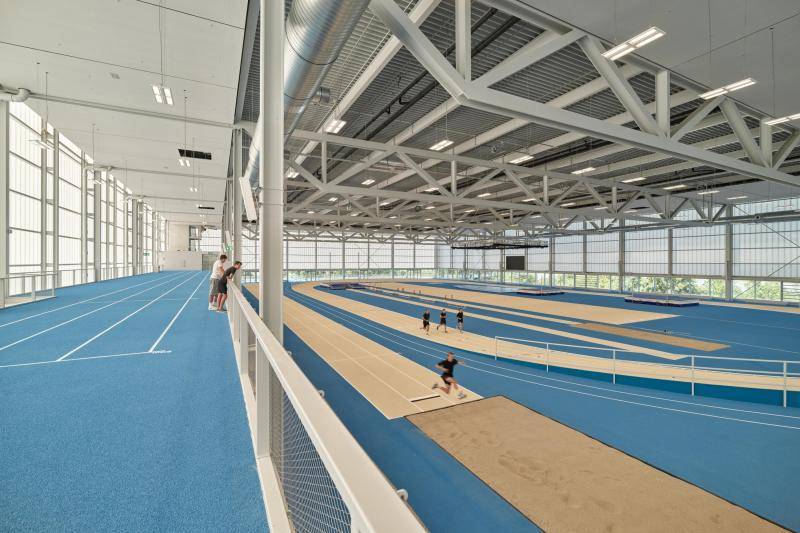
© Kurt Hörbst
Other interesting projects from the category Thermal Activated Building– Efficient heating & cooling & Circular economy
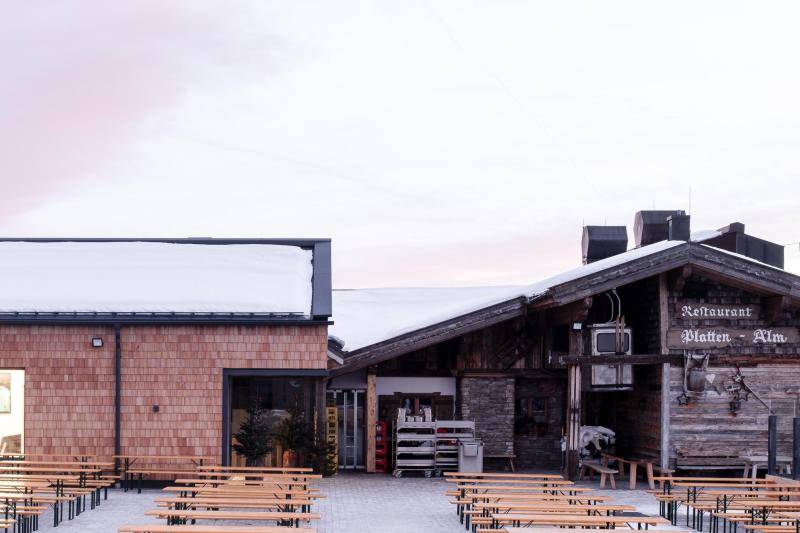
Expansion of the Plattenalm in Krimml
At the Plattenalm in Krimml, a new building is being constructed as an extension for gastronomy, staff housing, and a snow groomer garage. In total, 3...
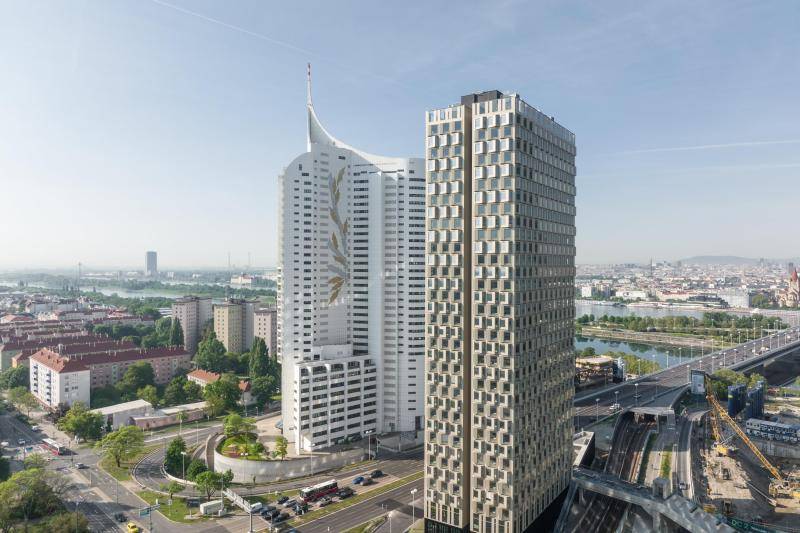
Student residence District Living / DC Tower 3
The District Living student dormitory makes use of a small gusset site in the middle of Donau City between business buildings, the subway line and the...
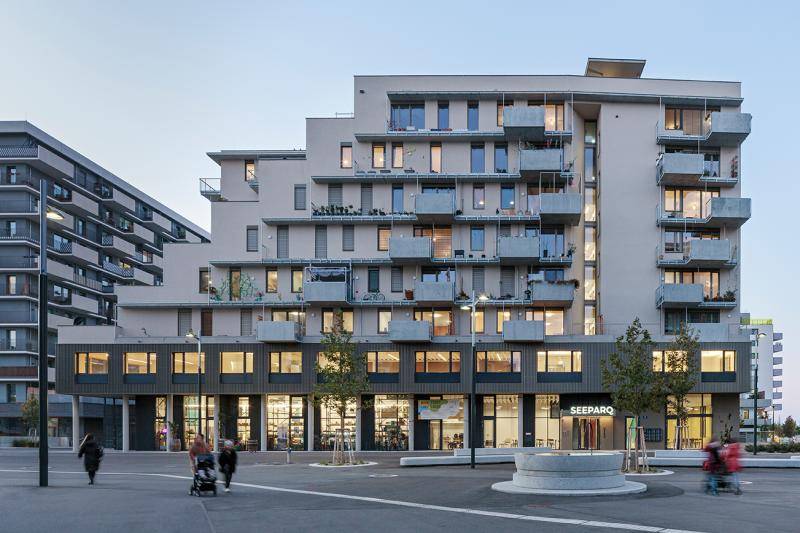
CO-livingSeeparq
Live, work, share: SEEPARQ combines everything under one roof. 55 freely financed condominiums with large balconies, freely designable apartment sizes...
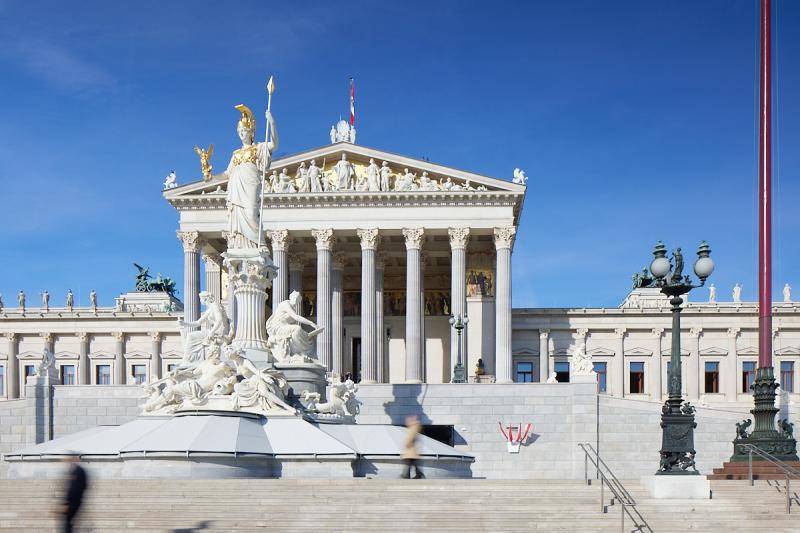
General refurbishment of parliament
Following its general refurbishment, the Austrian Parliament is the first historic building to receive the “klimaaktiv Gold” certificate and is a true...
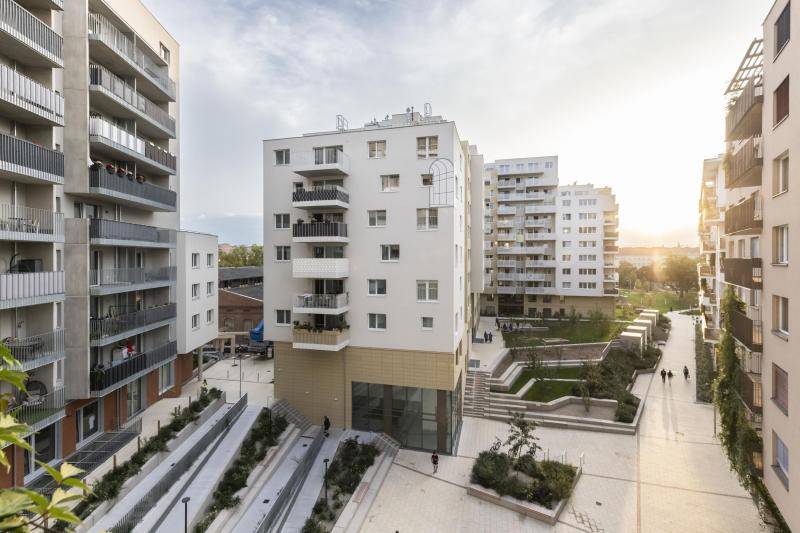
Lebenscampus Wolfganggasse
With the Lebenscampus Wolfganggasse, a socially and ecologically exemplary urban quarter was created in Vienna’s 12th district, combining living, work...
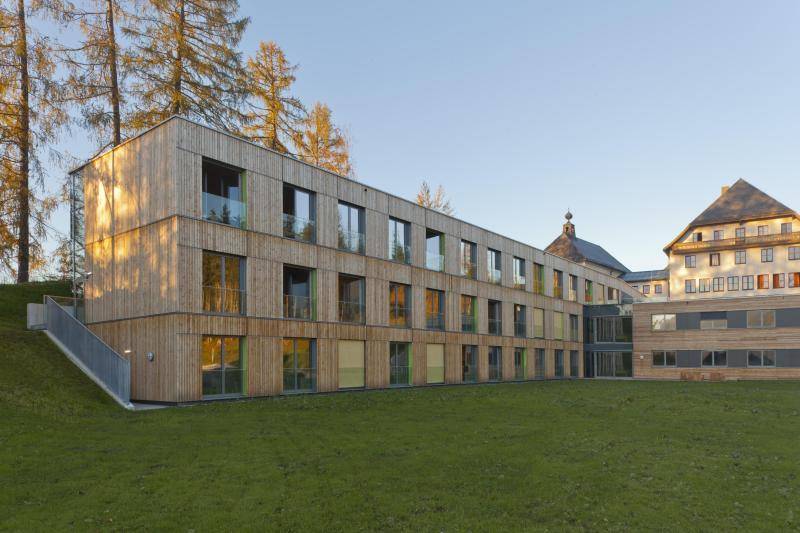
Agricultural college Tamsweg
The existing agricultural college with boarding school was extended by a boarding school extension with common and ancillary rooms as well as a gymnas...
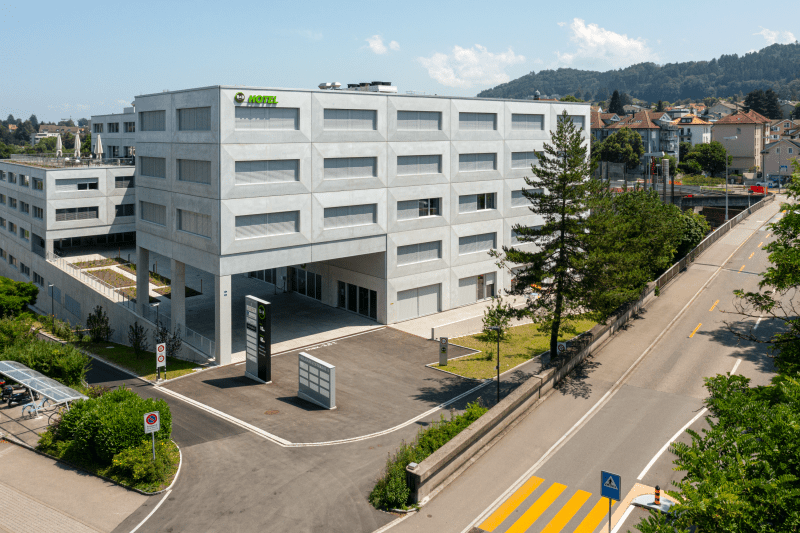
VIER WINKEL - Business house and hotel B&B
A modern concept on a traditional foundation - the business building VIER WINKEL. An interplay of different business models, unique in their appearanc...
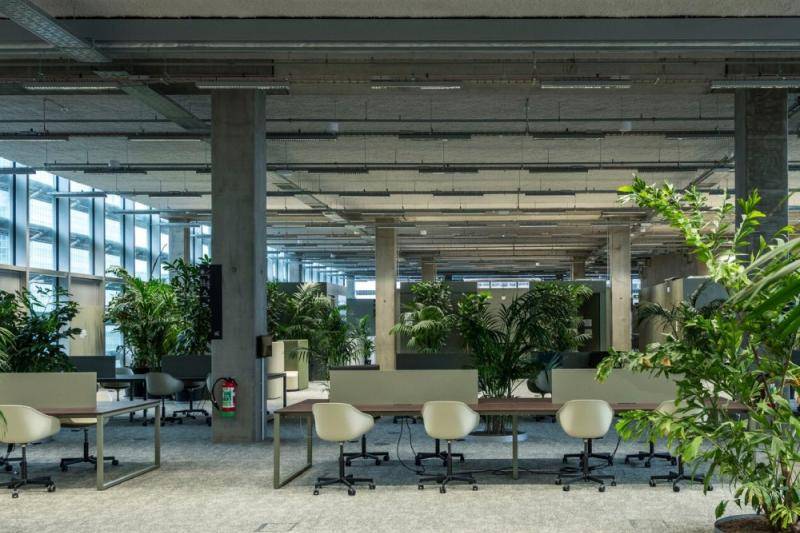
ZIN - Brussels
The ZIN project developed by Befimmo comprises the renovation of Towers 1 and 2 of the Brussels World Trade Centre in the north of Brussels. After dem...
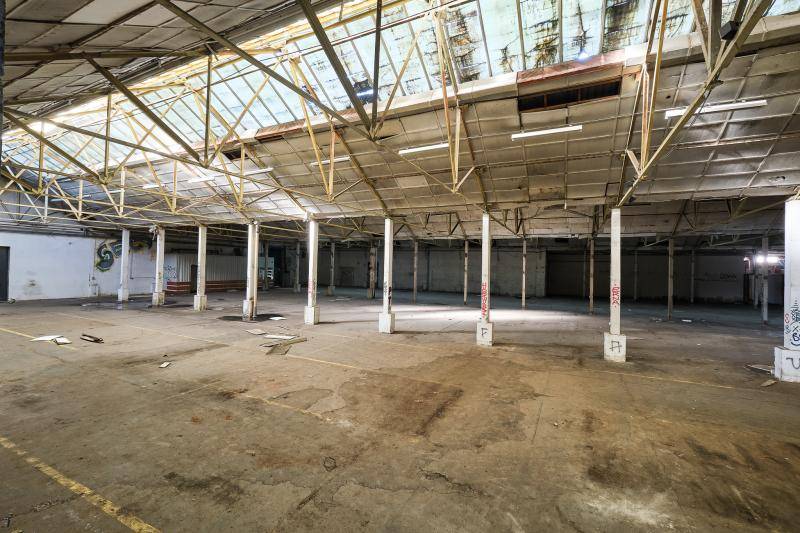
HORNIG AREAL
On behalf of the Austrian Housing Association, BauKarussell planned the dismantling of the former J. Hornig coffee roastery in Graz in 2023 with a cle...
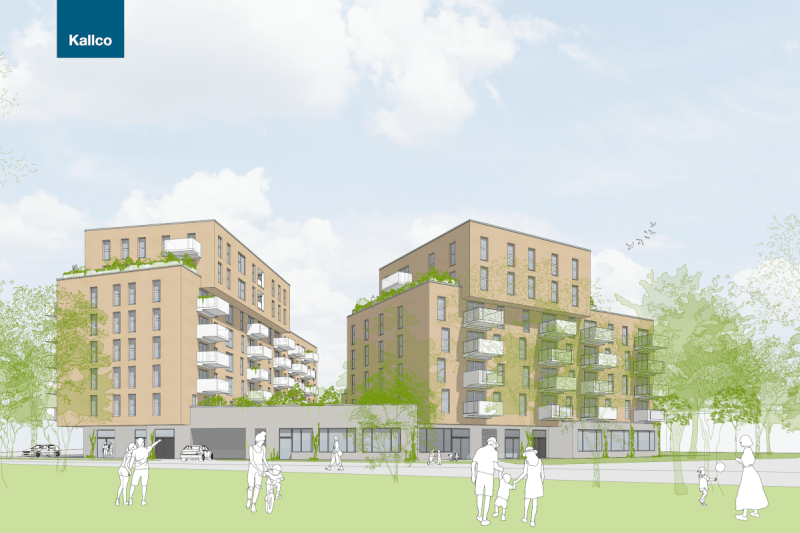
com22sQuare
The remarkable residential complex on a commercially used base zone is located at the conspicuous intersection of Ziegelhofstrasse and Quadenstrasse, ...
