
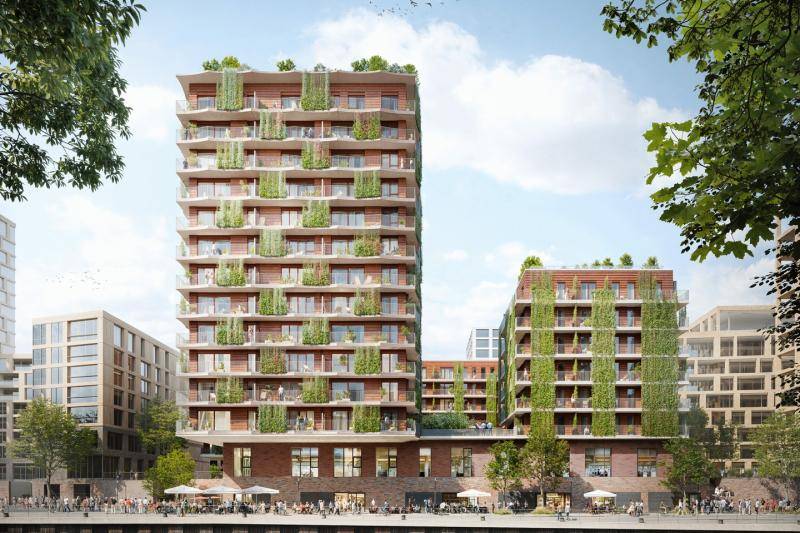
© kadawittfeldarchitektur_Moringa GmbH by Landmarken © rendertaxi




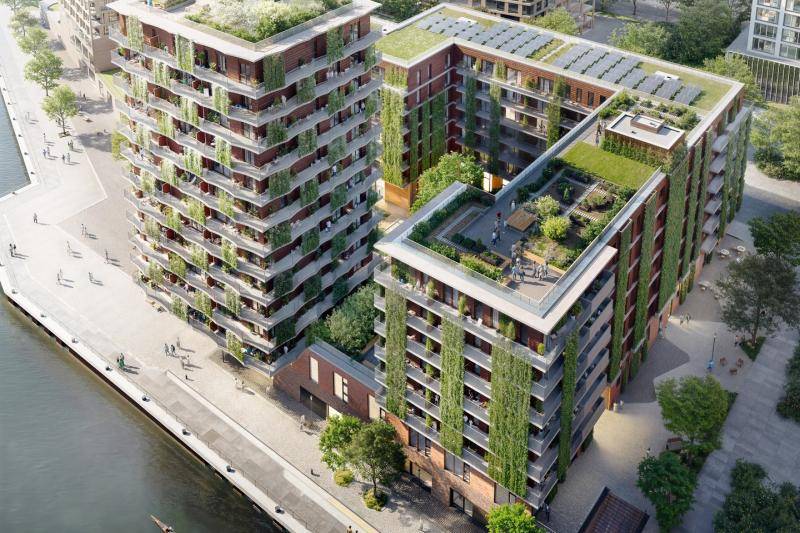
© kadawittfeldarchitektur_Moringa GmbH by Landmarken © rendertaxi
Other interesting projects from the category Circular economy
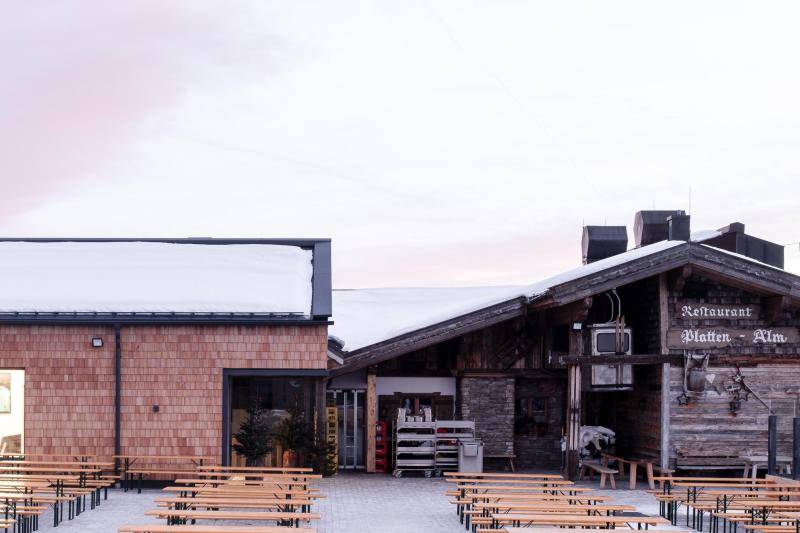
Expansion of the Plattenalm in Krimml
At the Plattenalm in Krimml, a new building is being constructed as an extension for gastronomy, staff housing, and a snow groomer garage. In total, 3...
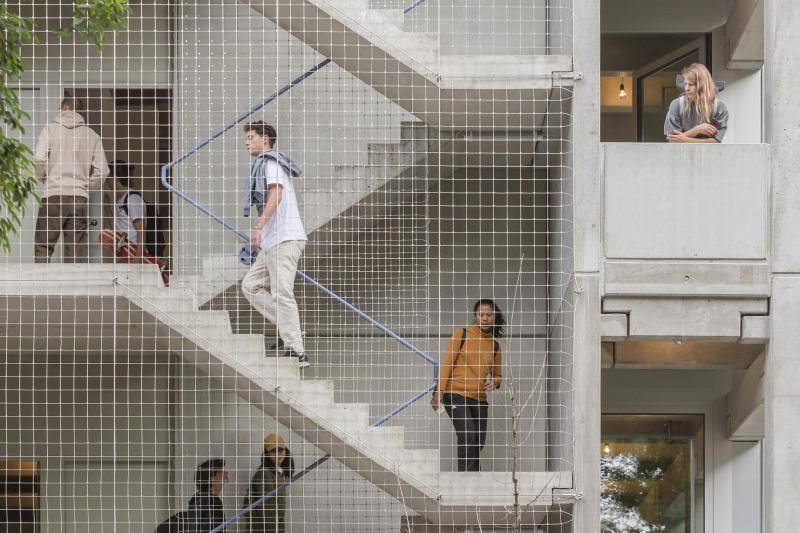
The living shelf
The residential project by architecture firm FAR frohn+rojas in Berlin-Moabit focuses on the circular economy by using durable, reversibly installed p...
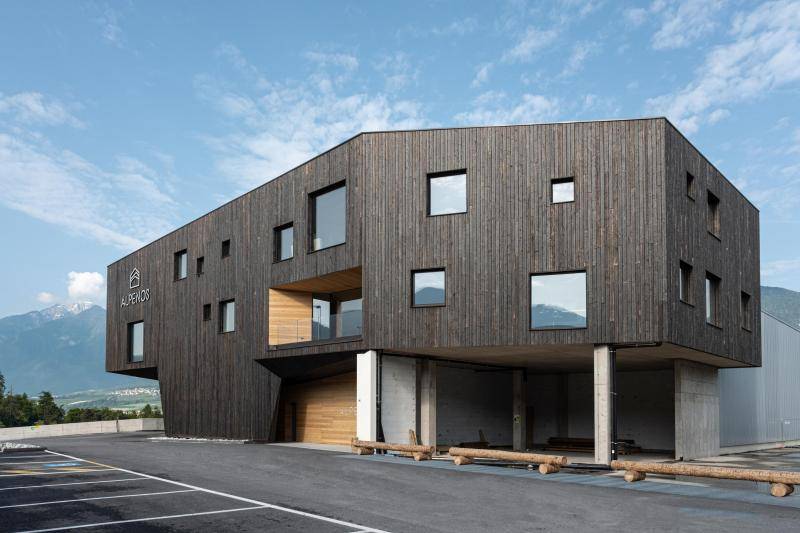
Alpenos Headquarter
The new headquarters of Alpenos, located in the Non Valley, is a perfect example of innovative design and sustainability. The project, developed by th...
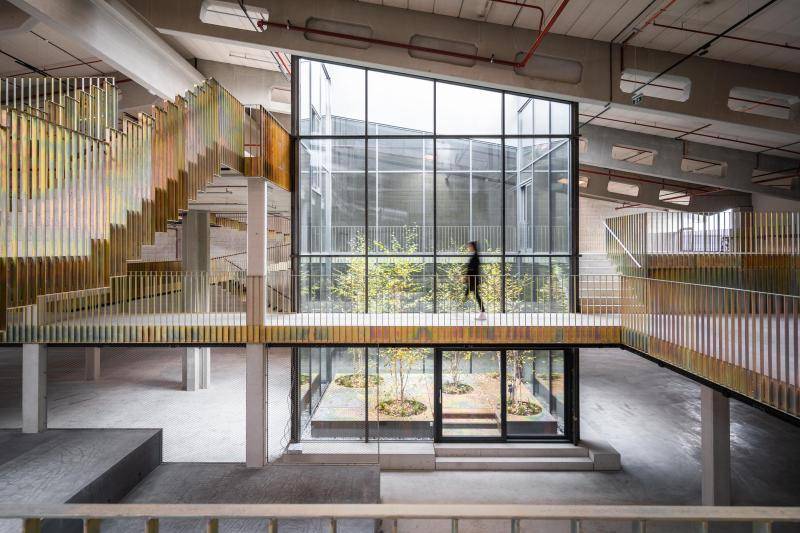
Trade centre 16
The "Trade centre 16" in Bergheim near Salzburg is a modernised commercial area that originally consisted of the warehouses of the former mail order c...
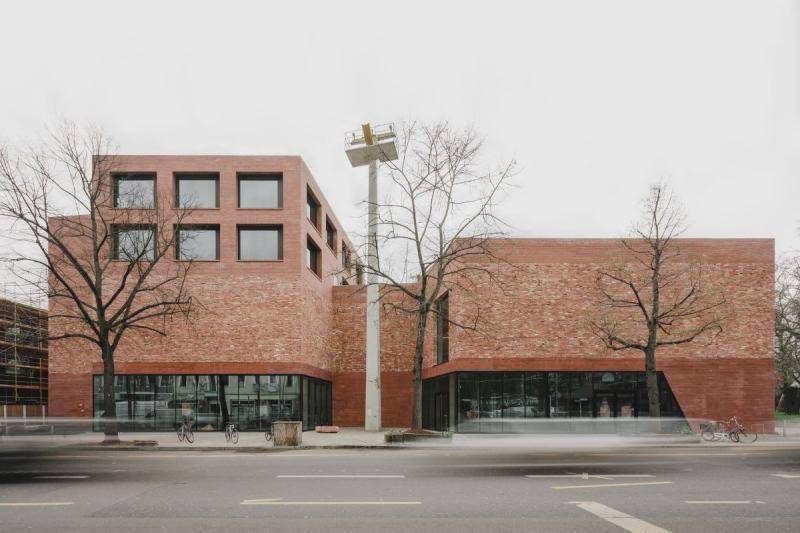
New Building of the Spore Initiative
The Spore Initiative in Berlin is a cultural and environmental organization dedicated to questions of global justice, ecological transformation, and c...

Viersen District Archive
In 2022, the Viersen district completed its new district archive on Ransbergstraße, encompassing a building volume of 18,390 m³. Designed according to...
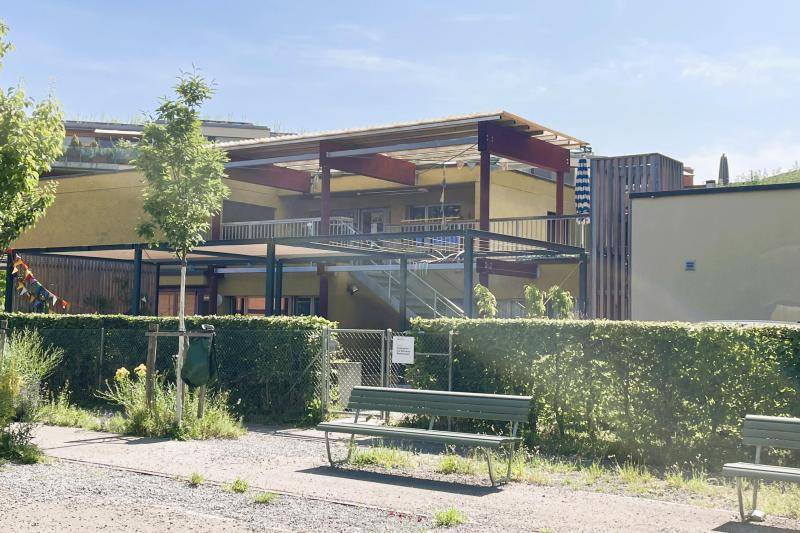
Conversion of Kindergarten Mööslistrasse
The Kindergarten Mööslistrasse is located on the first floor of a municipal maintenance facility in Zurich-Wollishofen and was developed as a pilot pr...
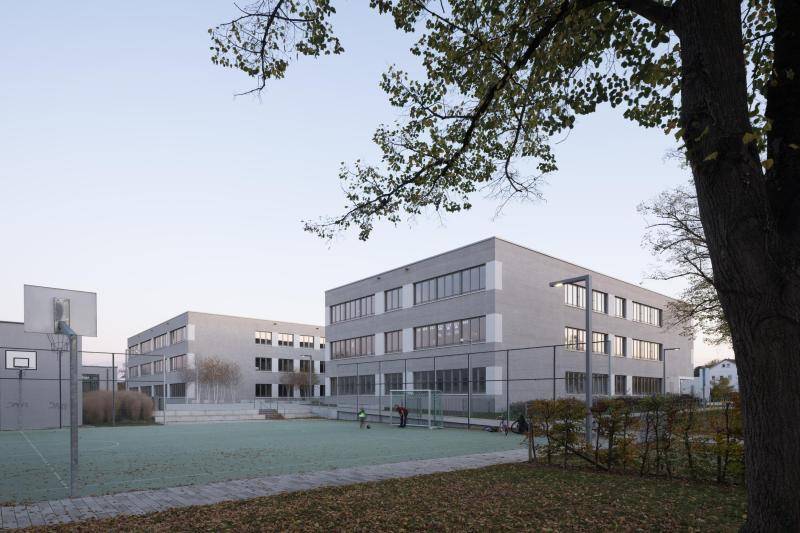
Campus Rauner
The old Rauner primary school, a sprawling conglomerate from the 1960s, was largely demolished. In its place, a compact, three-storey building is now ...
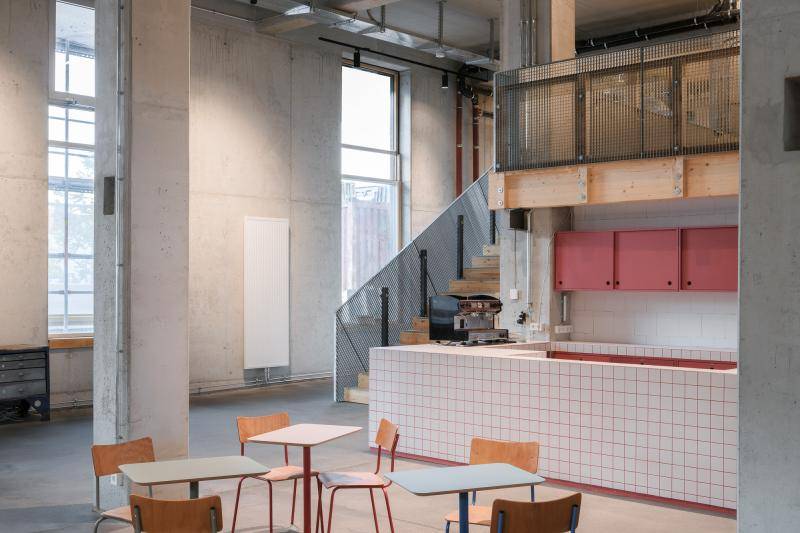
CRCLR-House
The CRCLR building in Berlin-Neukölln was remodelled in 2023 in line with the principles of the circular economy. The focus was on recycling and reusi...
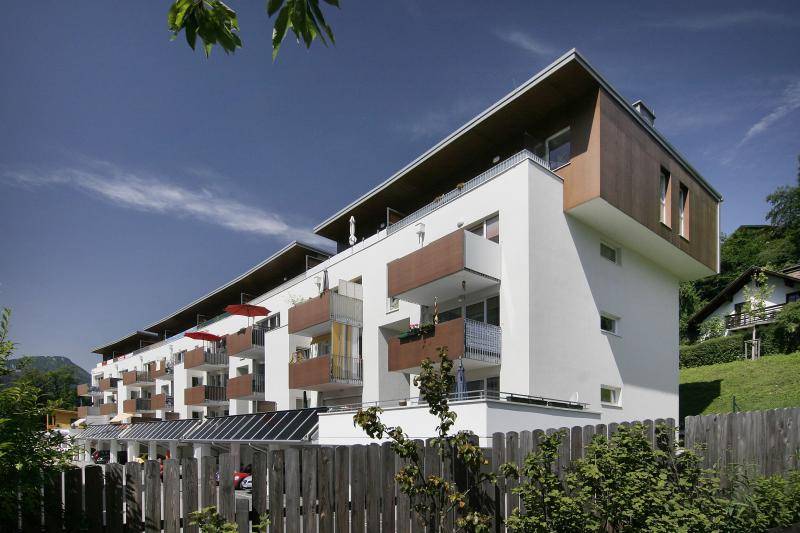
Schönberg estate Schwarzach
Recycled concrete from the demolition of an old office and staff building belonging to the Austrian Federal Forests was used for the new Schönberg hou...
