
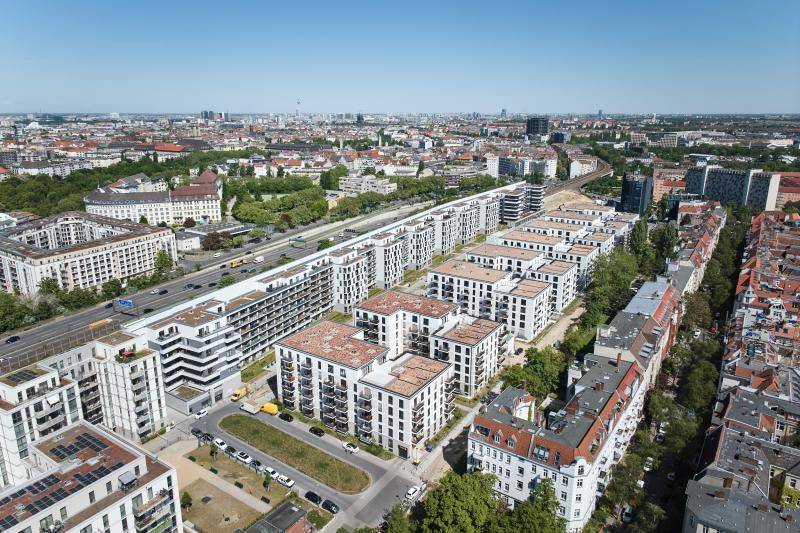
© Markus Bachmann Photography



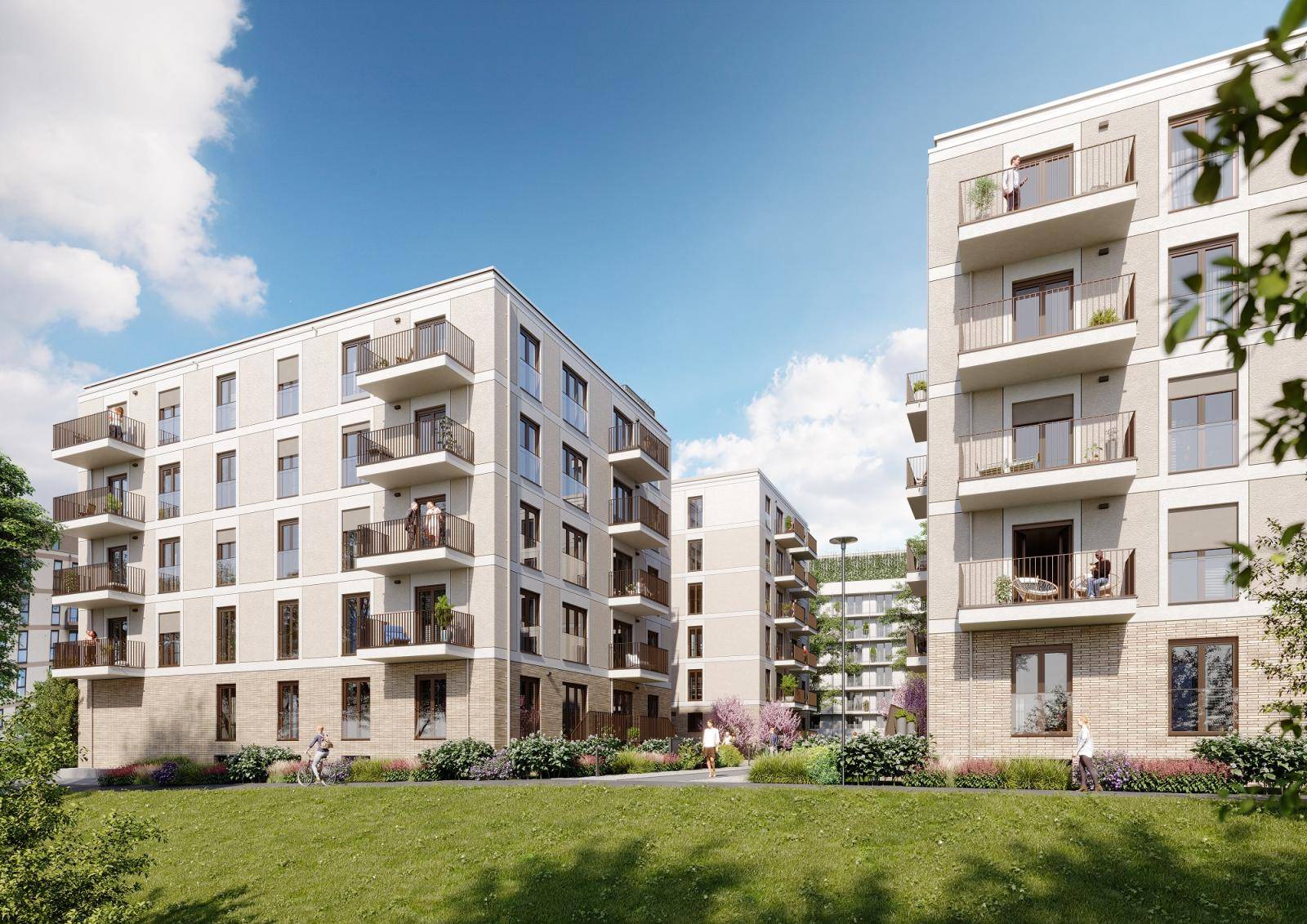
© Instone
Other interesting projects from the category Circular economy
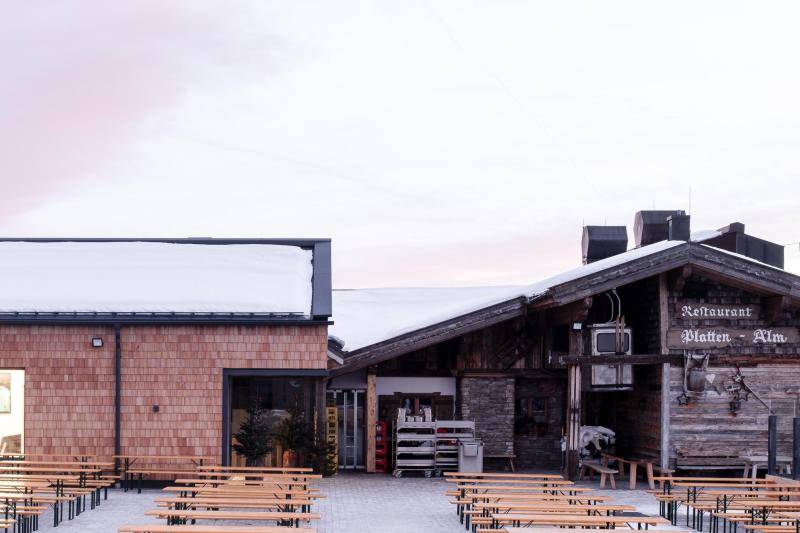
Expansion of the Plattenalm in Krimml
At the Plattenalm in Krimml, a new building is being constructed as an extension for gastronomy, staff housing, and a snow groomer garage. In total, 3...
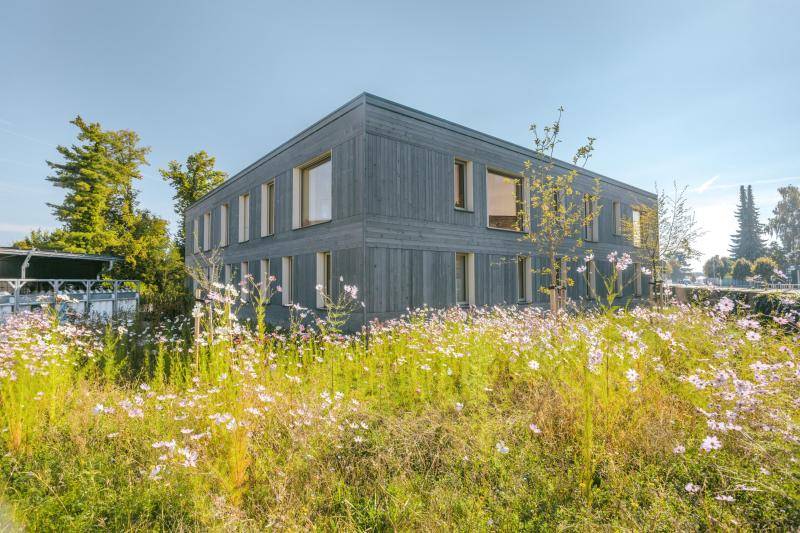
Medical and Office Building F1c
Located at Frühlingsstraße 1c in central Abensberg, the newly completed F1c healthcare and office building has been in operation since early 2024. Spa...
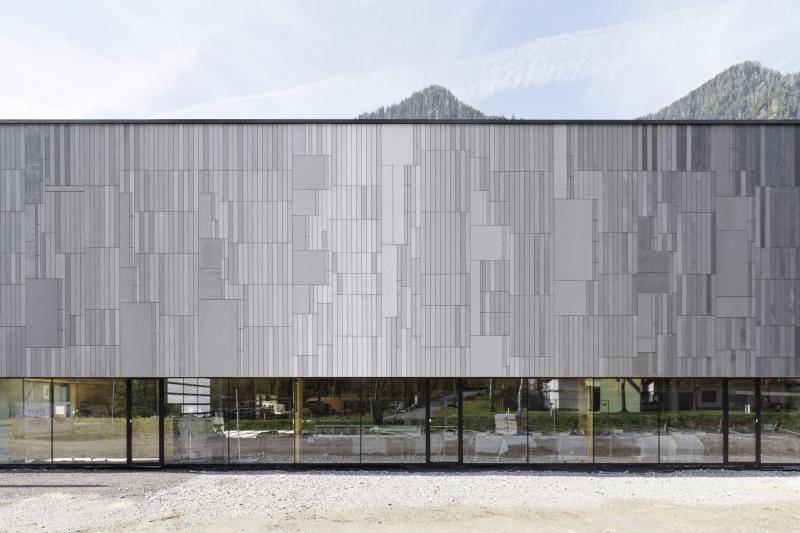
glemm21
In the interior of the new headquarters of Rieder Facades GmbH, numerous elements were reused according to the ‘Reuse and Recycle’ principle, such as ...
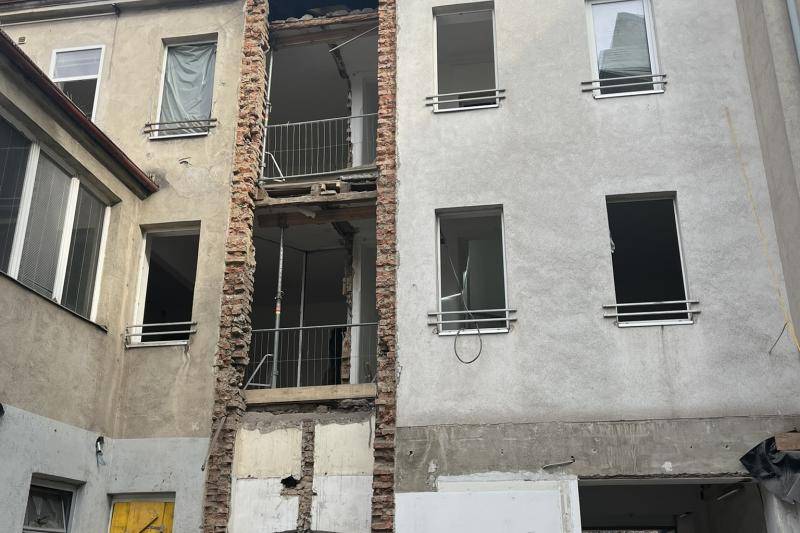
Historic Renovation in Van-der-Nüll-Gasse
The renovation project in Van-der-Nüll-Gasse, Vienna-Favoriten, marks Austria’s first circular-economy-based modernization of a 'Gründerzeit' building...
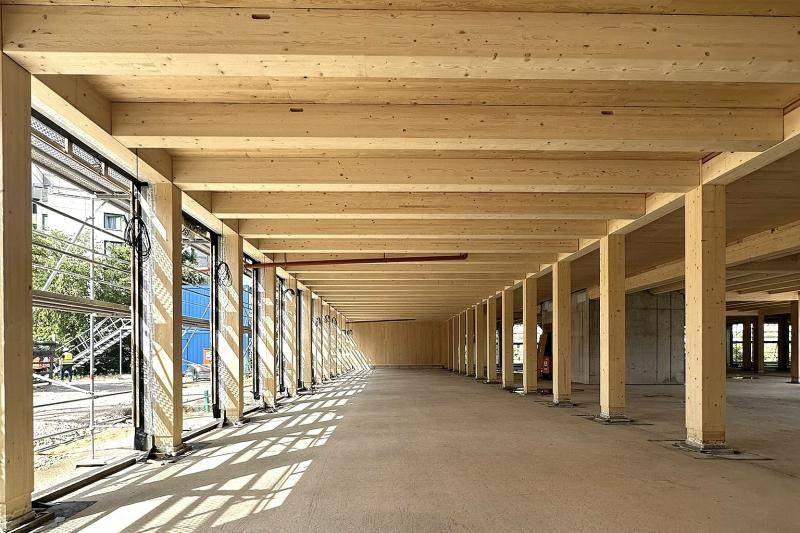
New building of the Martin-Behaim-Gymnasium
Timber-hybrid construction and use of 7,500 m³ of recycled concrete
In the Nuremberg district of Ludwigsfeld, a new school campus for around 1,...
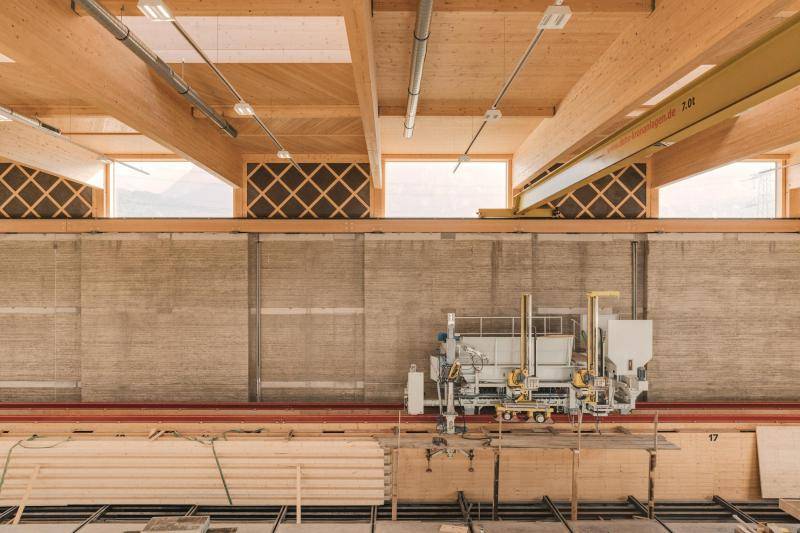
ERDEN factory building
The ERDEN factory building is located in the small municipality of Schlins in Vorarlberg - a pioneering project that was specially designed for the pr...
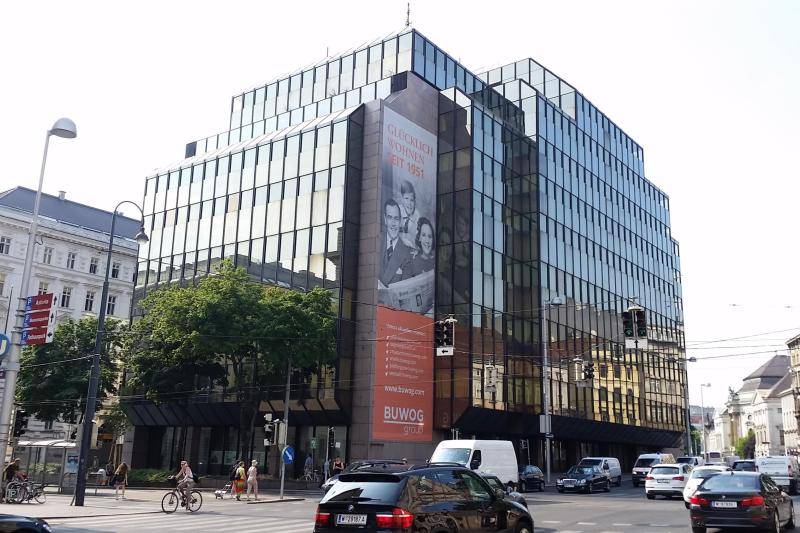
Glass Palace
The second construction project, the former data center of the City of Vienna, at Rathausstrasse 1, was completed for BUWOG in August 2017. In 3,450 o...
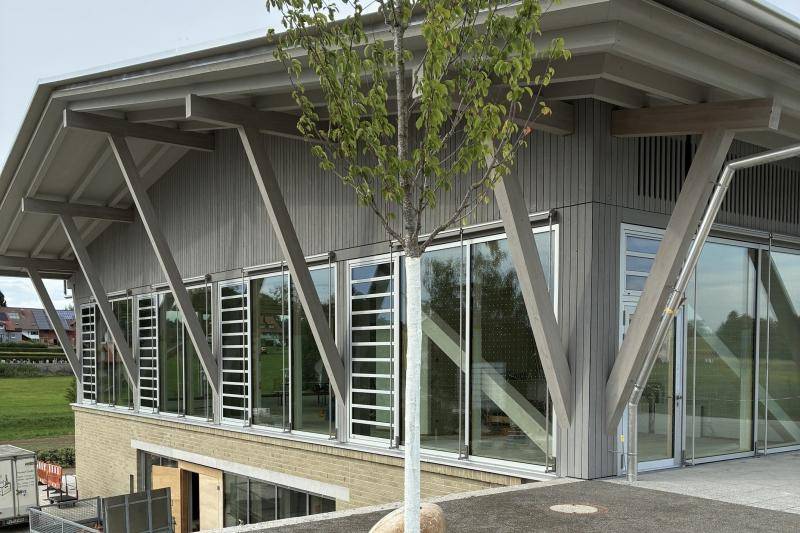
New Sports and Event Hall in Argenbühl
The new Eisenharz sports and multipurpose hall in Argenbühl is being constructed on former farmland. Following the topping-out ceremony in the summer ...
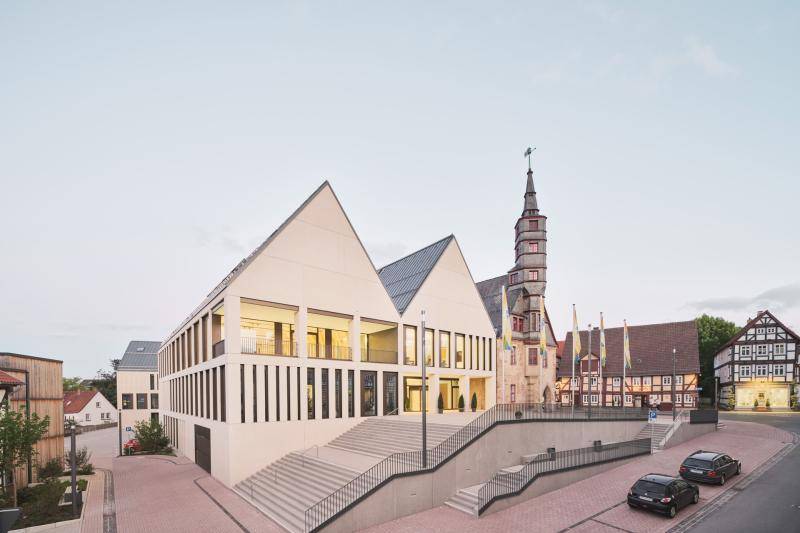
Korbach Town Hall
With the demolition and new construction of the town hall, the current approaches of urban mining and circular construction were trialled in a solid b...
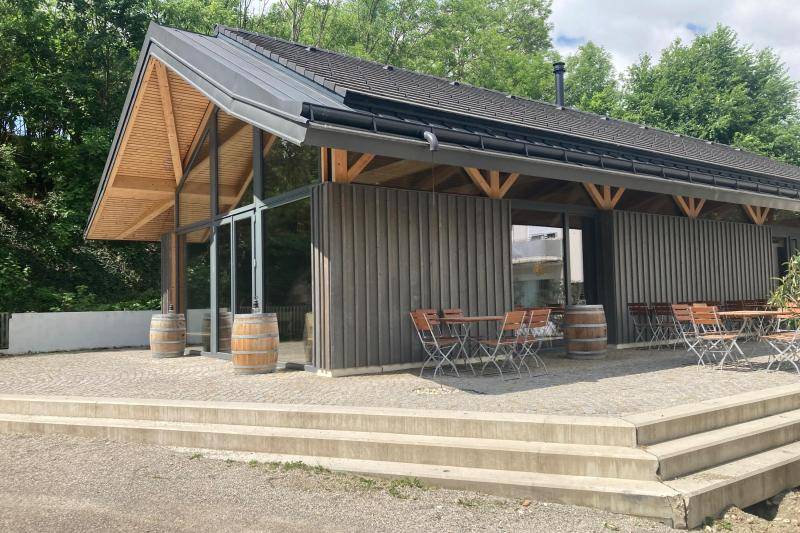
Winery Michael Bauer
The new wine tavern of the Michael Bauer winery on the outskirts of Mitterstockstall near Kirchberg am Wagram is well hidden in the middle of a courty...
