




© ZAB
Other interesting projects from the category Circular economy
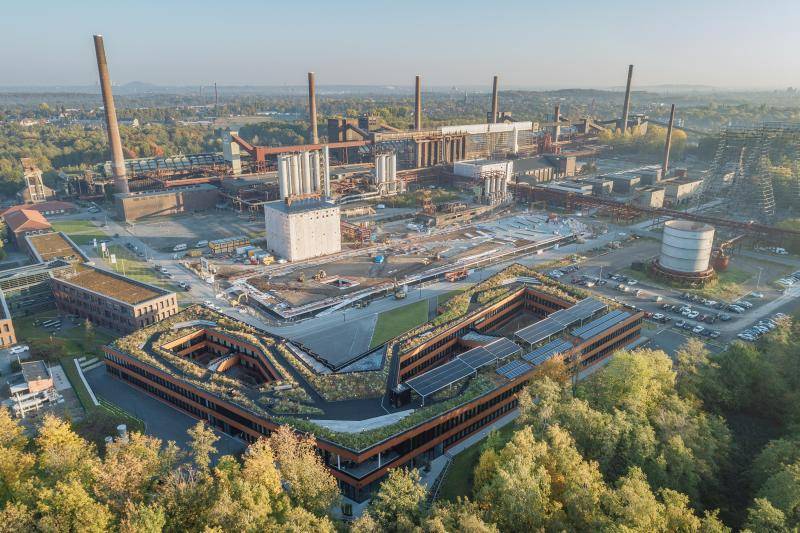
RAG-Stiftung und RAG AG Zollverein - A circular building
With the new building for the RAG-Stiftung and RAG AG on the Zollverein site, a circular building is being created that redefines sustainable construc...
Stadtwerke Neustadt in Holstein
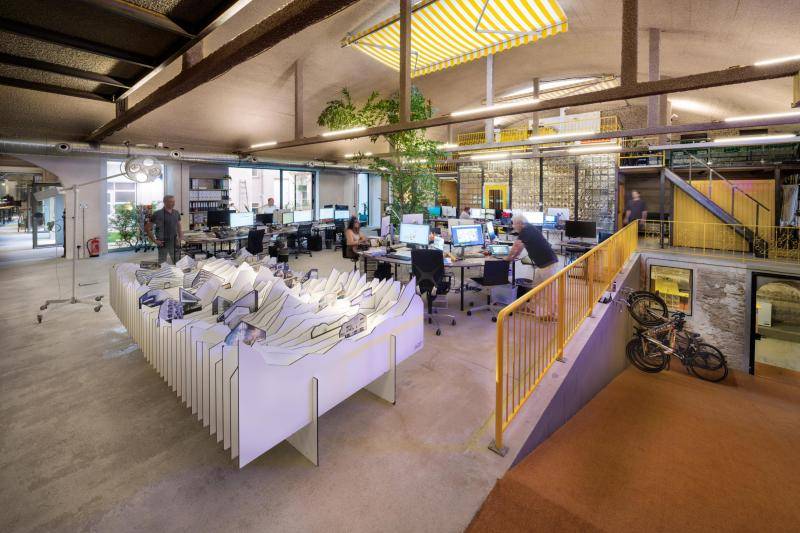
New Administrative Building for Stadtwerke Neustadt in Holstein – Focus on Resource Efficiency and Energy Performance
The new headquarters of Stadtwe...
DreiGang Golling
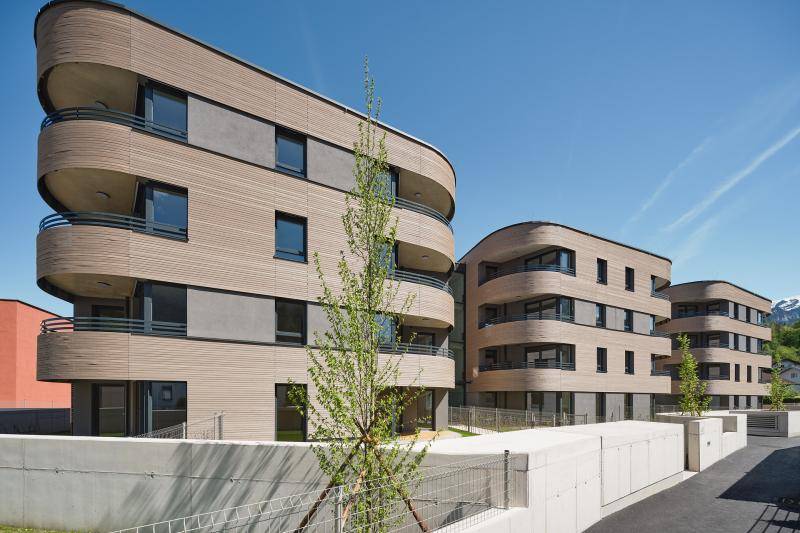
Circular Building in Practice: From Demolition to New Life
On the site of a former senior residence in Golling, the DreiGang housing project has crea...
Extension Art House Zürich
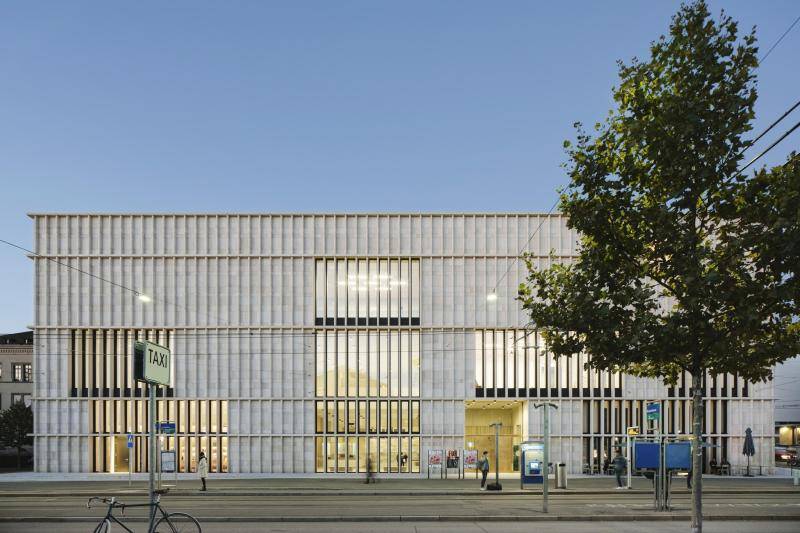
The extension of the Art House Zürich is consistently well thought through. Architecturally a milestone - sustainable, above all because of concrete a...
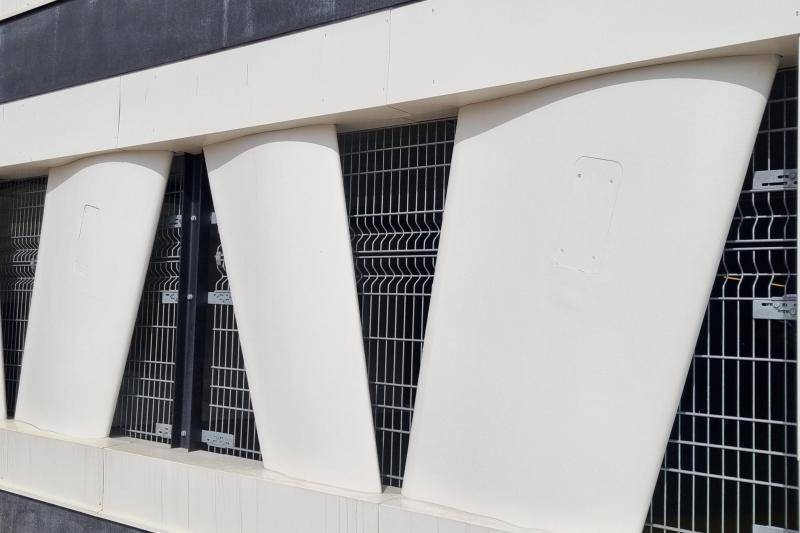
Niels Bohr car park
A new mobility hub opened in late 2025 in Brunnshög, a developing district in Lund, southern Sweden. It gives decommissioned industrial components a s...
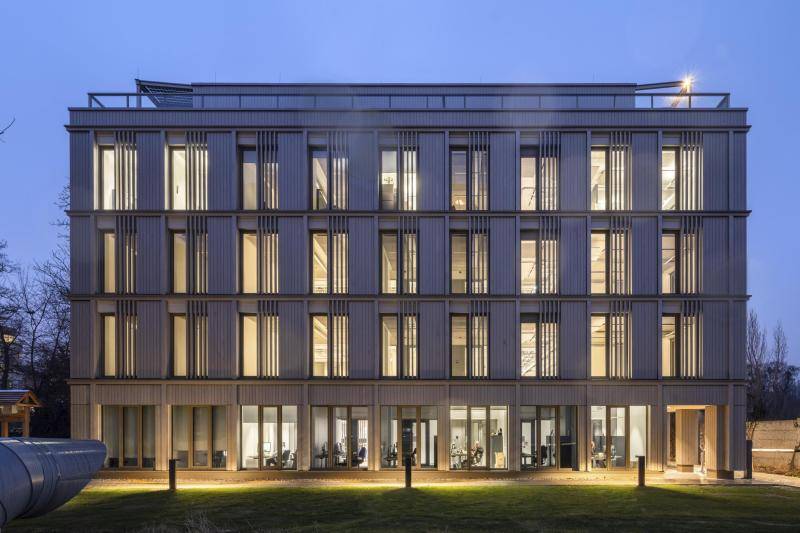
Vienna Patent Office / Vienna Green Hub
Located between Belvedere Palace and the Botanical Garden, the European Patent Office in Vienna was transformed into a climate-neutral flagship projec...
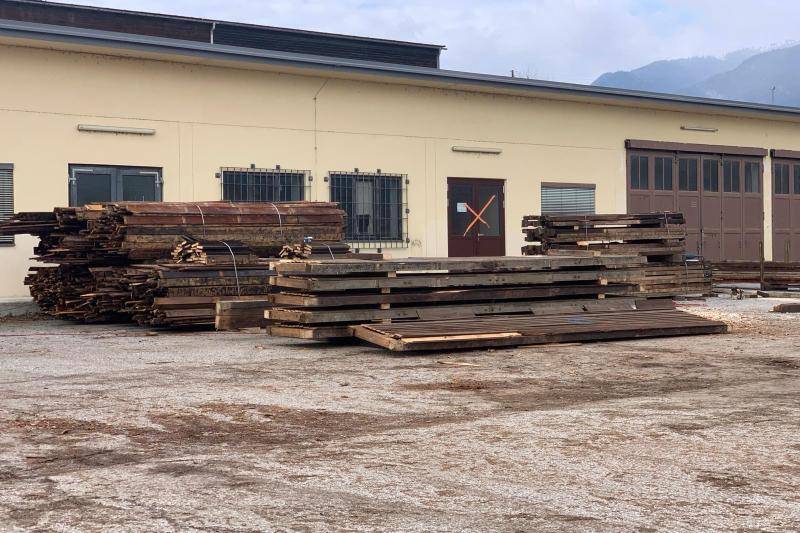
Hensel barracks Villach
The Austrian federal army commissioned BauKarussell with the use-orientated demolition of the Hensel barracks in Villach. Together with Schindel &...
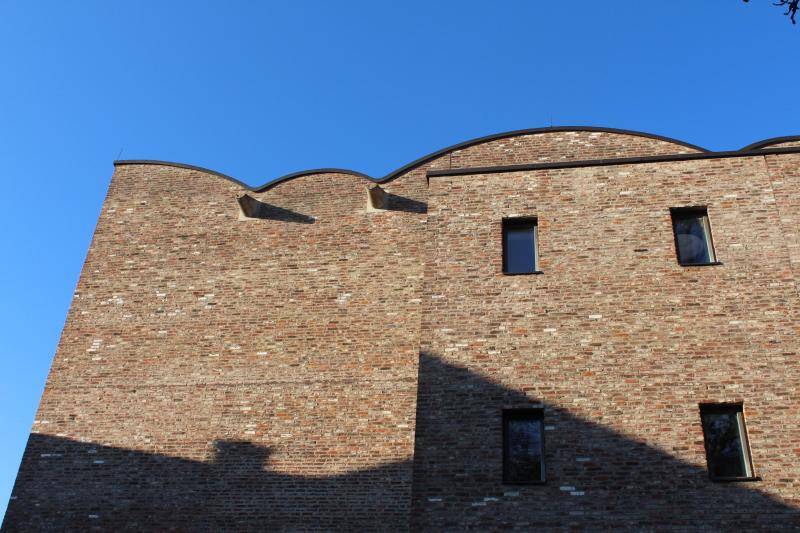
Kunstmuseum Ravensburg
Opened in 2013, the art museum is located in the heart of Ravensburg's old town and blends harmoniously into its historic surroundings. As the world's...
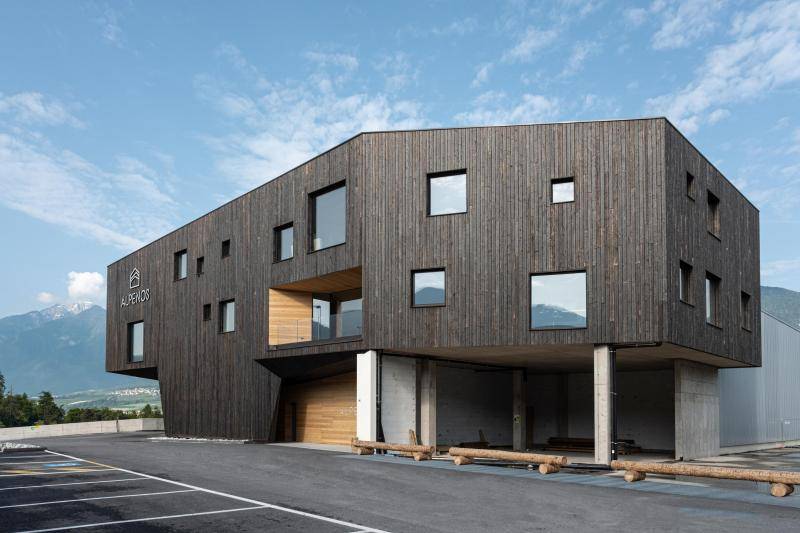
Alpenos Headquarter
The new headquarters of Alpenos, located in the Non Valley, is a perfect example of innovative design and sustainability. The project, developed by th...
